

Bafumbira: The Most Indigenous Tribe of Uganda – Here is the Evidence!


In the discourse of Ugandan history, “indigeneity” is often measured by the distance between a people’s origin and their current settlement. In other words, for how long has someone lived in a place? Basing on this, I am confident to report that the Bafumbira Tribe of Kisoro District are the most indigenous tribe in Uganda, save for Batwa! And Batwa are part of Bafumbira!
I am aware of some people, especially politicians from other tribes or even a few Bafumbira who wrongly present Bafumbira as a tribe that moved to Uganda. However, geographical, historical, and political evidence shows that the Bafumbira tribe did not cross any border to come to Uganda. Instead, Uganda crossed the border to them! They did not move to a certain land; they are the land!
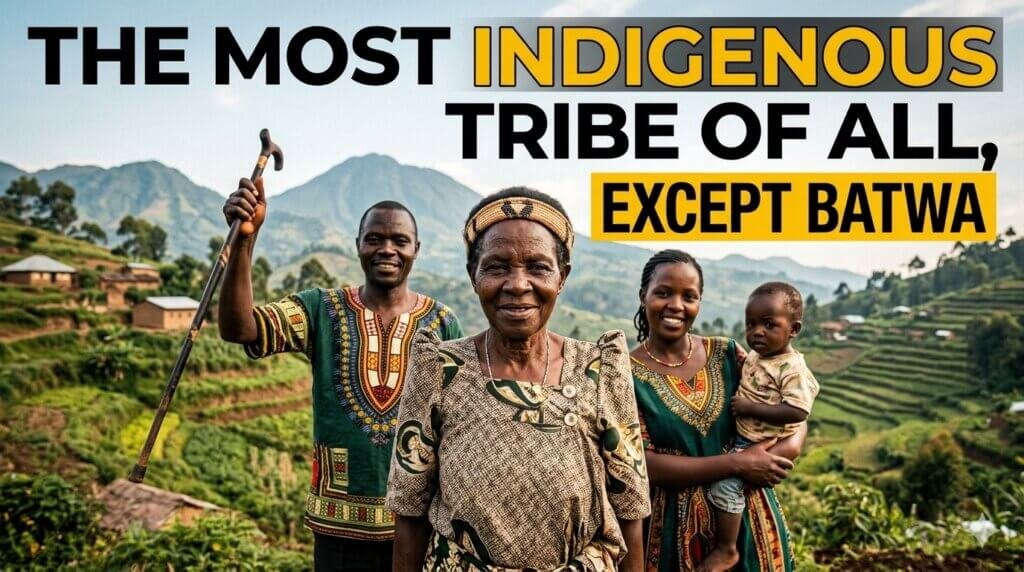
In this brief article, I will try to explore this. Please, where I have wrong facts, correct me. Let us build history together.
Bafumbira, the most indigenous tribe!
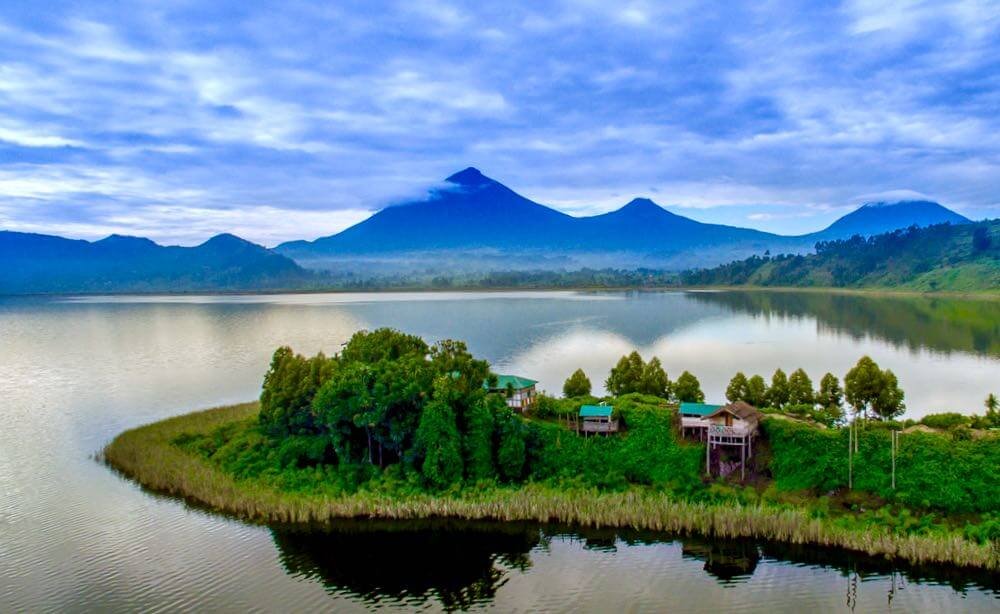
While many of Uganda’s prominent ethnic groups trace their roots to epic migrations from the Nile Valley, the Ethiopian Highlands, or the Cameroon-Nigeria border, the Bafumbira of Kisoro District occupy a unique place on the national map.
In other words, listen to this, many tribes in Uganda, including the Baganda who are sometimes presented as the founding fathers of Uganda, are a result of migration (moving from Point A to Point B). On the other hand, the Bafumbira are a result of annexation (staying at Point A while the country’s name changed).
Aside from the Batwa, who represent the ancient hunter-gatherer lineage of the African rainforests, the Bafumbira are arguably the most “stationary” and therefore “indigenous” population within the country’s current borders. Their story is not one of movement, but of annexation, a civilization that stood still while European powers redrew the world around them. Let’s dig deeper.
I. The Geopolitical Anomaly: A Tribe that Never Moved
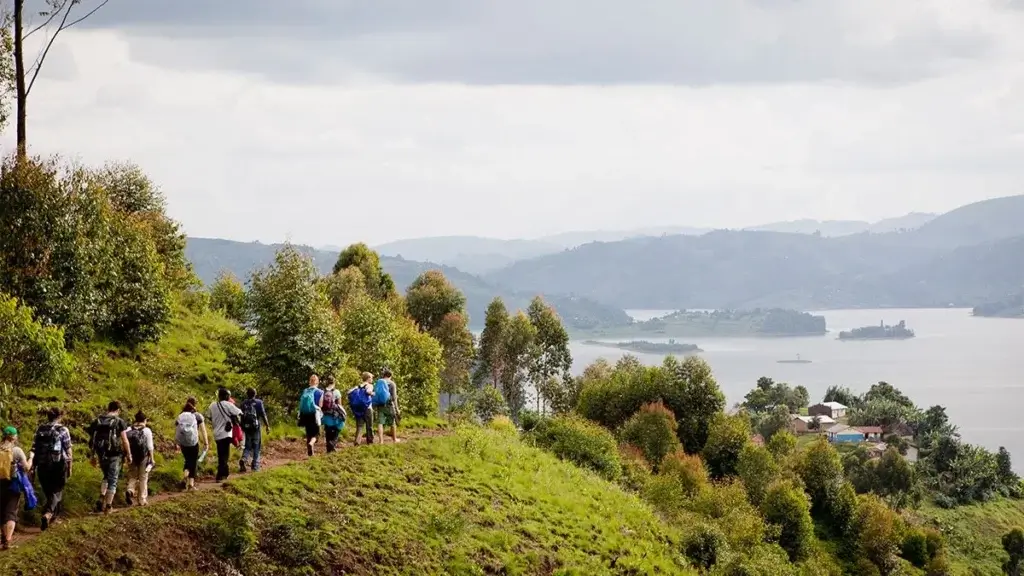
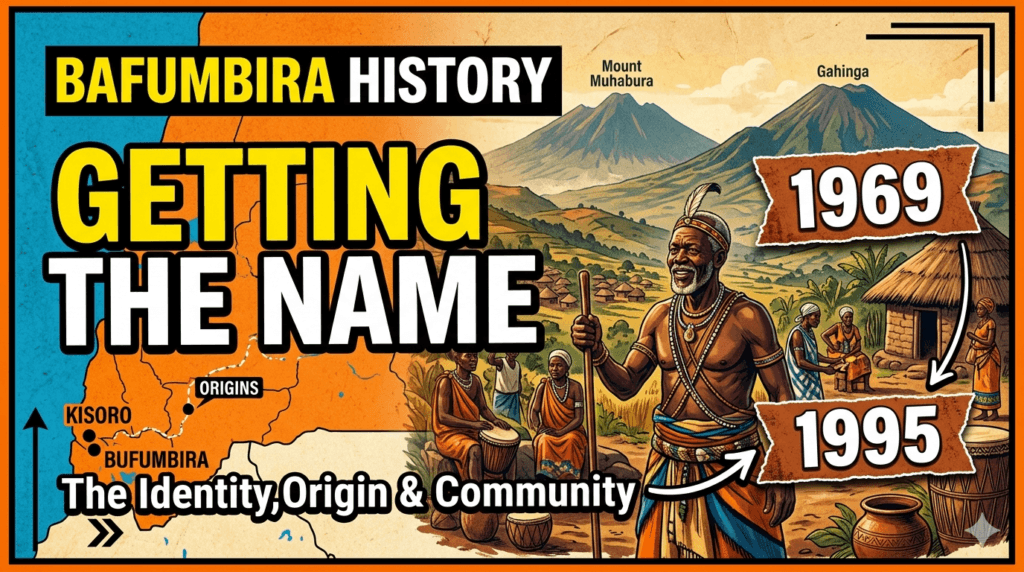
To understand why the Bafumbira are “more indigenous” than most, one must look at the 1910 Anglo-German-Belgian Boundary Commission. Before this date, the land now known as Kisoro was the northern frontier of the Kingdom of Rwanda under the reign of Mwami Kigeli IV Rwabugiri.
While the ancestors of the Baganda were navigating the Great Lakes around 1300 AD, and the Luo were moving southward from Sudan in the 1500s, the ancestors of the Bafumbira were already settled in the shadows of the Virunga Volcanoes (Muhabura, Mgahinga, and Sabinyo).
Wait! The above can be confusing! Bafumbira and Baganda, or even Basoga, Batoro, Bakiga are all Bantu who came under Bantu Migration, right? How come the Bafumbira (then called Banyarwanda of Rwanda) are settling before the Baganda settle?
Bantu Migration & How Bafumbira become the Most Indigenous!

To find where the Bafumbira (and the broader Banyarwanda group) moved from, we have to travel back much further than 1910, we have to look at the Great Bantu Migration that began roughly 3,000 to 4,000 years ago.
Note that we are basically talking about Banyarwanda before they became Bafumbira, for how Banyarwanda became Bafumbira is quiet simple! And we will have time for it! My assumption is if we know where the Banyarwanda of Rwanda were when the Baganda or any tribes settled, we will easily figure out the ‘indigenousness of Bafumbira’
While the Bafumbira (or Banyarwanda – do not mind about the naming at this point) were “stationary” during the birth of Uganda, their ancestors were part of one of the largest human migrations in history. Let us unpack this a little!
NB: The migratory theory is one of the theories that explain the origin of Bafumbira or Banyarwanda. There are other thoughts, including the one that says that Bafumbira and their ancestors descended from the sky (Ibimanuka). In one of our videos on this ‘descending from heaven’ concept (or Ibimanuka), we cited explanatory thoughts that defined ‘descending from sky’ or ibimanuka as simply individuals or groups of people that would settle in and with extra-ordinary and unusual ways of the running the society.
In other words, Bafumbira just moved from other local regions, hills, or places in the Great Lakes Region and not necessarily from somewhere far.
However, whether Bafumbira descended from heaven or originated from other nearby regions or migrated from far away places, such as Nigeria, Ethiopia, Cameroon, or Middle-east, the following narrative fits in, for it explores when they settled and not necessarily where they settled from. Nice reading.
1. The Cradle: West Africa (3000 BC)
The ultimate ancestors of the Bafumbira (and the Baganda, Basoga, and Bakiga) originated in the boundary region between present-day Nigeria and Cameroon (read bantu migration).
- Why they moved: Population growth, the development of agriculture (yam and oil palm), and the mastery of iron-smelting meant they needed more land and wood for charcoal.
- The Route: They didn’t move in one giant march. It was a “leapfrog” migration over thousands of years. The ancestors of the Interlacustrine Bantu (those in the Great Lakes region) moved eastward along the edge of the tropical rainforests.
2. The Stopover: The Albertine Rift & Lake Victoria
Between 1000 BC and 500 AD, these Bantu-speaking groups reached the Great Lakes region (modern-day Uganda, Rwanda, Burundi, and Tanzania).
For the groups that would become the Banyarwanda/Bafumbira, the migration path took them into the fertile, high-altitude regions of the Albertine Rift.
- They were attracted to the volcanic soils of the Virunga chain (the Mufumbiro mountains) because it was perfect for agriculture and provided a natural defense against invaders.
- This is where they settled and began to diverge into the specific cultural groups we know today.
3. The Three-Tiered Settlement in Rwanda/Kisoro
The history of “moving” into the Kisoro/Rwanda area is actually a story of three different groups arriving at different times:
- The Batwa (The First Arrivals): They are the “Originals.” They were already in the mountain forests as hunter-gatherers long before any Bantu moved in.
- The Bahutu (The Bantu Farmers): They arrived during the main Bantu wave (roughly 500 AD to 1000 AD). They cleared the forests for farming and established the base of the Bafumbira/Banyarwanda culture.
- The Batutsi (The Pastoralists): They are believed to have arrived later (roughly 14th or 15th Century). While there is academic debate on their exact origin, oral tradition and some historical theories suggest they moved southward from the Nile Valley/Ethiopia region, bringing long-horned cattle with them.
4. The “Birth” of the Bafumbira Ancestry – from Banyarwanda
By the 15th Century, these groups had fully integrated. They spoke one language (Kinyarwanda), lived under one social system, and were part of the expanding Kingdom of Rwanda founded by the Nyiginya Clan. Are we clear on this? Read on!
Here is where it gets interesting:
Imagine the Bantu MAIN migration started in West Africa (Cameroon/Nigeria) and moved toward the Great Lakes (Rwanda, Uganda, Congo, Burundi, Tanzania), okay? Take it as a caravan, and note how different groups branch off the main caravan to either settle or keep on moving:
- The Southern Exit (Bafumbira/Banyarwanda): The groups that became the Bafumbira/Banyarwanda took a “high-altitude” route. They hit the Albertine Rift (the Western arm of the Rift Valley) and the Virunga Mountains very early. Because that land was so fertile and easy to defend, they “exited” the migration highway (or the caravan as I have suggested above) and settled there permanently over 1,500 years ago (that is 500AD or 5th century)
- The Central Exit (Baganda): The ancestors of the Baganda traveled further. They had to navigate around the massive forests and wetlands of the Nile basin. While their ancestors were in the general region, the specific formation of “Buganda” in the central lakeside region happened later, roughly 700 to 800 years ago (that is, around 13th or 14th century)
The Key Difference: The Bafumbira were already “home” in Kisoro (or then Rwanda) while the Baganda were still “on the road” looking for their final destination in central Uganda. When the British drew the border in 1910, they sliced through a Bafumbira community that had already been sitting on those specific hills for a millennium.
II. Bafumbira Vs Other Tribes in Uganda, How Indigenous?
If we rank tribes by how “recently” each group settled in their current Ugandan locations, the Bafumbira are technically more “anchored” than almost everyone except the Batwa.
- The Acholi & Alur (Luo): These groups moved from the Bahr el Ghazal region of South Sudan into Northern Uganda during the 16th Century (1500s). They are relatively “recent” compared to the Bafumbira. Read about this here.
- The Iteso: They migrated from the Ethiopian Highlands and settled in Eastern Uganda as recently as the 18th Century (1700s). More on this here.
- The Bakiga: While they are neighbors to the Bafumbira, historical records suggest the Bakiga migrated in waves from Rwanda and the Congo several centuries ago to escape conflict or seek land, settling in the Kigezi highlands before 1910, but after a physical journey. Read about Bakiga movement here and here.
- The Bagisu: They trace their descent to clans that migrated from the East (present-day Kenya) between 16 and 19th century and settled on the slopes of Mount Elgon. Read more about this here.
III. The verdict: Bafumbira is the most indigenous tribe!
In international law, there is a concept called Uti Possidetis (as you possess), which recognizes that people have a right to the land they were on when borders were drawn. In other words, when disputes arise, the one on the land is the owner of land! Very interesting concept!
Because the Bafumbira never moved, they represent the most “uninterrupted” form of land ownership in Uganda. While a Muganda might say, “My ancestors came here 700 years ago,” a Mufumbira can say, “My ancestors have been on this specific hill since before the concept of ‘Uganda’ even existed.”
The Bafumbira represent a “stationary civilization.” Their presence in Kisoro is a historical constant that predates the colonization of Africa, the 1926 border adjustments, and the 1962 independence of Uganda. By anchoring their identity to the volcanic geography of the Mufumbiro ranges rather than a migratory story, they secured a legacy of belonging that is undisputed.
In the grand timeline of human history, everyone moved. But in the context of “Modern Nations” (countries with borders like Uganda), the Bafumbira are “Ancient” residents. They have been in Kisoro longer than many tribes in the North or East have been in their current locations.
They are essentially a Bantu-Nilotic hybrid culture that found a perfect volcanic home and simply refused to leave for over a millennium. When the British showed up in 1910, they weren’t finding “newcomers”; they were finding a civilization that had been established since the Middle Ages.
A SIDE NOTE:
In May 1910, European diplomats sitting in Brussels and London finalized the “Scramble for Africa” in this region. Through the Anglo-German Agreement, Britain secured the “Mufumbiro” region. Overnight, the people living there became British subjects of the Uganda Protectorate. Unlike the migrations of the Iteso or the Acholi, there was no physical movement of people into a new territory.
The border literally “crossed” the people, turning a Rwandan province into a Ugandan district. We will come back to this in a detailed article about how Banyarwanda became Bafumbira and how Bafumbira are true Ugandans.
The Batwa: The Only Exception
The only group with a deeper claim to the volcanic soil than the Bafumbira are the Batwa. While the Bafumbira (Bantu-speakers) settled the slopes approximately 1,500 to 2,000 years ago, the Batwa are the descendants of the original forest-dwelling hunter-gatherers.
The Batwa are part of a lineage that has inhabited the Albertine Rift for tens of thousands of years. In the Bafumbira hierarchy of belonging, the Batwa are the “Landlords” of the forest, while the Bafumbira are the “Landlords” of the volcanic farms. Both groups share a bond with the land that pre-dates the very concept of “Uganda” by centuries.
However, as we will soon see, Batwa got integrated or absorbed into the ‘technology-yielding Bantu’ who had come in, and they all became one tribe under one king. We will also explore this in other articles when we dig deeper into Bafumbira social structures, including social classes like Batwa, Bahutu, and Batutsi, and their clans and totems.
In my honest, in the worst-case scenario of Uganda disowning Bafumbira, the Bafumbira people would simply stay put on their land and soil (KISORO) and become independent as a standalone country. There would never be the talk ‘go back’ – No, Uganda would instead go back, and leave us alone! We hope it never happens!
SIDE NOTE: It will never happen, for legal establishment of borders was done by 1926. Bafumbira and Kisoro were already Ugandans by 1910.
We have a video on this as well
References and Further Reading
- The 1995 Constitution of the Republic of Uganda: Official Schedule of Indigenous Communities
- Citizenship Rights Africa: Banyarwanda and Bafumbira: The Struggle for Ugandan Identity
- 101 Last Tribes: Bafumbira: History, Culture, and the Virunga Heritage
- Murindwa-Rutanga: People’s Anti-Colonial Struggles in Kigezi under the Nyabingi Movement
- Monday Times: The Legal Distinction between Bafumbira and Banyarwanda in Uganda
- Kitara Foundation: Ancient Clans of the Interlacustrine Region
- Wikipedia: The Kivu Frontier Incident and the 1910 Boundary Commission
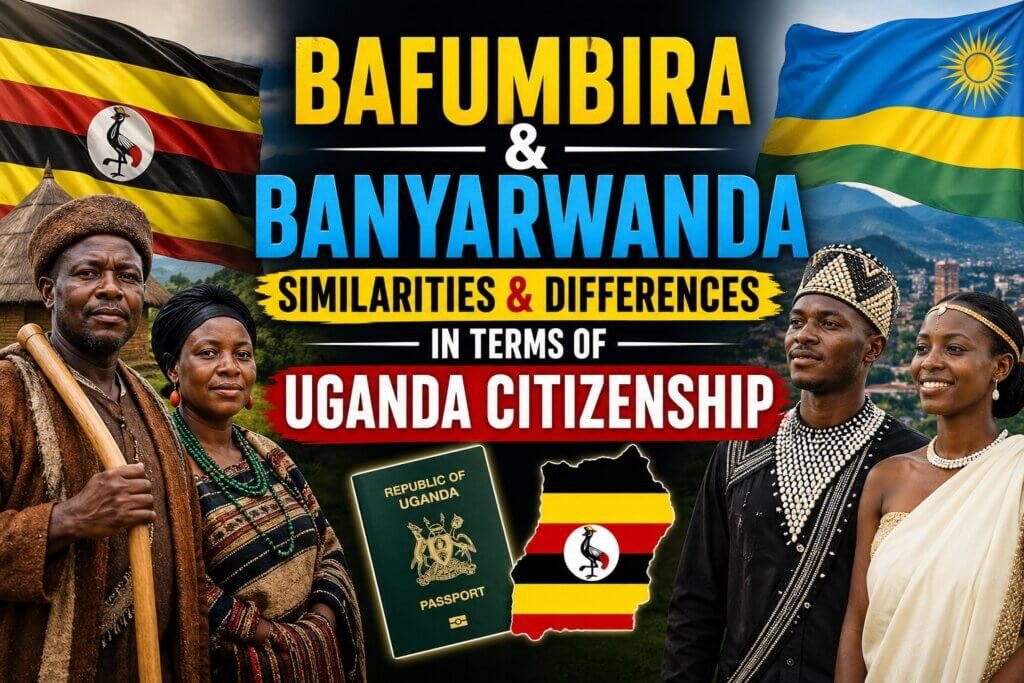

[…] have already written dozens of articles about Bafumbira and their origin (see here, here, and here). However, for the benefit of special readers of this special article, let’s give a […]