

Abungura Clan: Origin, Totem, Historical Roles & Contributions and their everyday Behaviors

A member at Bafumbira Beza asked us to look into Abungura Clan for him. He was not the first one, but like the 20th person to make a similar request. Well, we decided to do it for all of us. As such, Bafumbira n’Abafumbirakazi, here is everything about Abungura Clan: Their Historical Origin, Totem, Roles and Contributions, and their everyday Behaviors or Characteristics.
Don’t forget to officially become a member of Bafumbira Beza by just creating your free account at bafumbira.com/account. Mwakoze cyane. Also, remember, we have a dedicated group for Abungura clan on Bafumbira Beza, join here: https://bafumbira.com/groups/abungura/
Origin of Abungura Clan
The Abungura clan stands as one of the ancient major clans (imiryango migari) within the historical social network of Banyarwanda and Bafumbira. Spanning across Rwanda, southwestern Uganda (Bufumbira and Kigezi), and the eastern Democratic Republic of Congo, the Abungura embody a deep-rooted lineage that predates modern state borders and connects diverse communities through shared heritage.
The genealogical origins of the Abungura clan trace back to Rurenge, a foundational patriarch categorized among the First Ibimanuka (“those who fell from heaven”), an era representing the earliest formation of organized human societies. We explored the concept of first and second ibimanuka in one of our articles here.
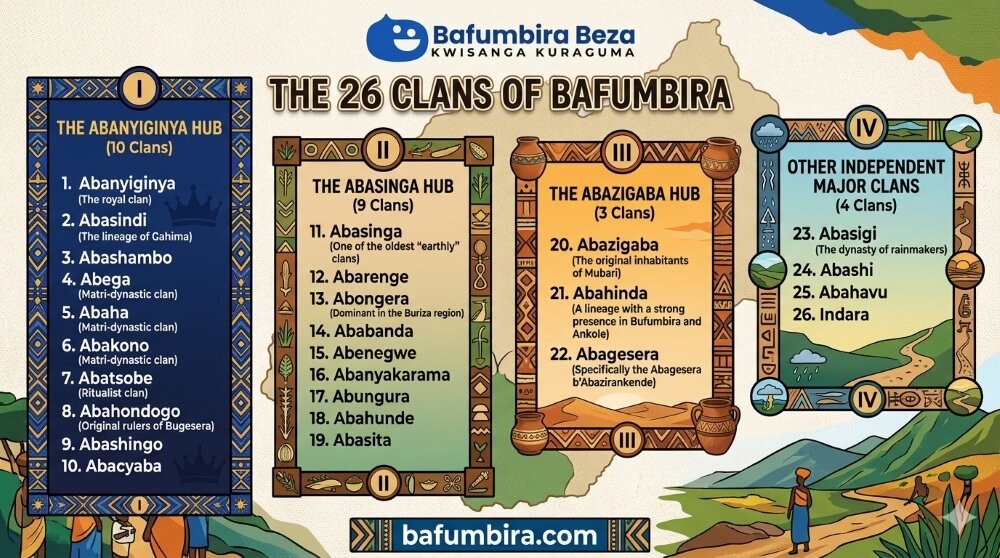
Within the expansive lineage of Rurenge, the Abungura specifically trace their patrilineal father figure through his descendant, Cyungura. Historical migration narratives (see the history of Rwanda book) locate the clan’s early ancestral home in Bwishya (specifically at a site called i-Mpimbi) and Gishari-Mukoto, from where they expanded across Ndorwa, Rukiga, Kigezi, and Bufumbira.
Abungura Clan: Sacred Totem and Symbolic Emblems
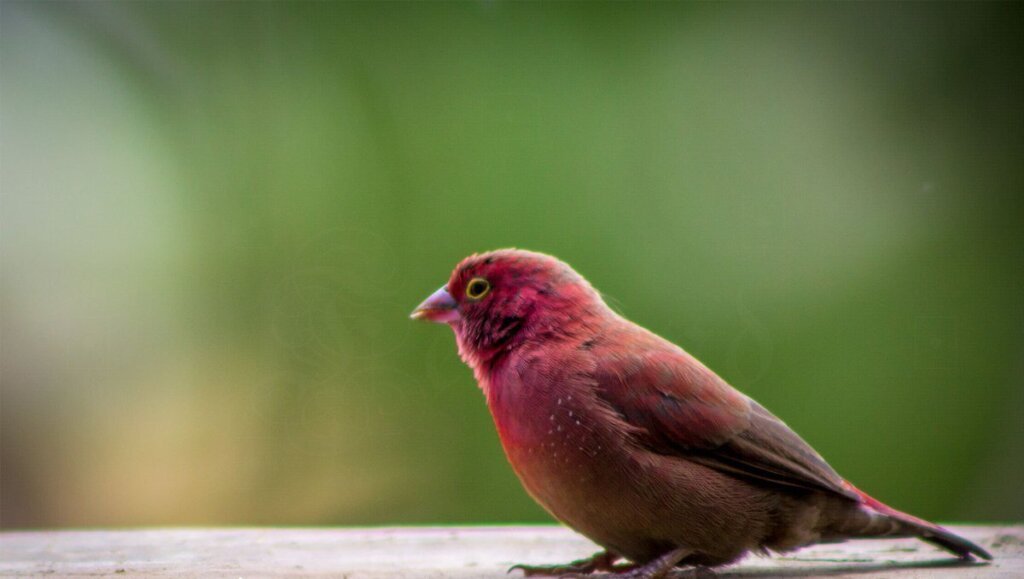
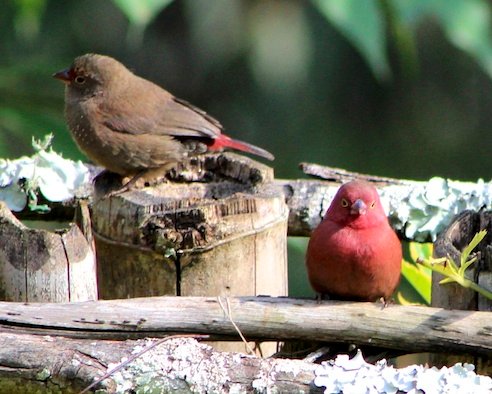
In the traditional kinship system, the primary sacred totem (ikirangamuryango) of the Abungura is the Firefinch (Ifundi). In pre-colonial culture, totems served as spiritual mascots that clan members were strictly forbidden from harming, eating, or disrespecting, as violating this taboo was believed to bring severe spiritual misfortune (umwaku).
Talking about Umwaku, some people have claimed that Abungura or some sub-groups of Abungura are a ‘clan of bad luck’. However, this is not as bad as you think; it is actually noble! We will come back to this when talking about their roles and contributions below.
The firefinch represents peace, longevity, and familial prosperity (amahoro, uburame, n’ubwaguke). Additionally, certain branches of the clan observe secondary cultural taboos associated with the jackal (imbwebwe).
Abungura Sub-Groups: Abungurateke and Abungurafundi
As the clan multiplied, it naturally divided into two primary sub-groups (amashangya), distinguished by regional geography and symbolic traditions:
- Abungurateke (Abateke / Abatege): Settling primarily in the northern highlands, including Byumba, Buberuka, Butaro, and Ndorwa, this branch derived its name and identity from the symbol of amateke (cocoyams/yams). Historically, lineages from this group contributed to specialized royal court rituals (Ubwiru). Again, we have written about Abiru here.
- Abungurafundi (Bazira-fundi): Retaining a direct association with the firefinch (ifundi), this branch spread through Bwishya, Bugoyi, and Bufumbira. They were known for forging enduring marital and social alliances with other ancient custodian lineages, particularly the Abasinga clan. They had strong ties with the royal lineages.
At Bafumbira Beza, a member of Abungura Clan posted more than 20 sub-clans or groups under ‘Abungurateke’ alone, implying that they could be more than that if we looked at the overall clan and its sub-clans. Additionally, we have already highlighted the works of Nsanzabera Jean de Dieu, which suggest that Abungura clan form the 9 major clans under the Abasinga. See these details here. As a major clan, they indeed have many other sub-clans.
NB: My mother, Nyirakubanza Josephine, is a Mwungurateke. And my father, Nsabimana Boniface, is a Musinga of Kite/Hawk totem. A very strong combination, right?
Therefore, given the ancient origin and tight ties with Abasinga, Abungura clan is both ancient and powerful as well.
Abungura Clan: Historical Roles and Contributions
The Abungura made vital contributions to leadership, regional land tenure, conflict resolution, and agriculture as explained below:
- Land Reconciliation (Ubukonde bw’inzigo): According to the book, History of Rwanda, in the Bugoyi region, the Abungura are prominently recorded in land history. When a member of the Abungura was killed by an individual from the Abagwabiro clan, the Abagwabiro ceded a portion of Rugerero village to the Abungura as an Ubukonde bw’inzigo (“Ubukonde of punishment/reconciliation”) land grant to appease the loss and prevent endless blood feuds. They are thus generally regarded as a peaceful clan.
- Pioneering Landowners (Abakonde): As early settlers, they participated in clearing virgin highland forests, establishing early agricultural communities under the Ubukonde system. We have already established this fact by highlighting their ties Abasinga, the landlords.
- Guardians of truth (honesty), especially in one of their roles of ‘alcohol-tasting’ (kumv’inzoga). I surely have no evidence of this, except an oral story I shared with Ronald of Muruta of Gihuranda, Bunagana, Kisoro. Ronald (now, an old man of about 60 years and above) told me that Abungura were Abungura served as tasters of royal alcohol whose honesty about the drink’s quality earned them respect. Additionally, this same role earned them, in some circles, the brutal belief that some Abungura clan houses are ‘clans of bad luck’ (Umwaku or Igisirani). This was a negative mark thrown at them by men and women of shroudy or forged or fake drinks or businesses that would fail to cross the ‘wall of truth’ of Abungura people. Isn’t it interesting? In other words, the ‘umwaku’ or ‘igisirani’ idea is actually just an abuse by those unpleased by Abungura’s honesty. According to authors of the book, History of Rwanda, this overall point fits neatly into the broader structure of ancient Rwandan court life documented in the sources. The kingdom relied on a division of specialized responsibilities across different clans, such as the Abatsobe acting as keepers of the Muganura harvest ritual, or the Abega, Abasinga, and Abakono providing royal wives. Entrusting a specific clan with tasting royal beverages required absolute integrity, as it combined quality assurance with protecting the monarch from poison. Abungura must have done this role heroically.
- Abungura also created and ruled Bumbogo kingdom. Before the strong establishment of Nyiginya kingdom, Abungura had a local kingdom known as Bumbogo (which is now somewhere in central Rwanda – Kigali), and their king was Mbogo. According to some scholars on Wikipedia (and also on 101 Last Tribes), Abungura ruled this region until Mbogo got displaced by King Cyirima or Kirima of Abanyiginya clan. The king did not fight back. However, his son, Kashyiga (Kakiga) opposedly run away with the royal drum (Kamuhagama) and hoped to re-group and return, which he never did, and instead estbalished the Kiga ‘dynasty’ of the North (or Kigezi of today). However, this claim does not align with the scholarly work in the book, History of Rwanda, which instead recognizes Abega (Abaswere) as the rulers of Bumbogo, followed by the brief rule by Abatsobe around 19th century. And their dynastic drum was ‘Karihejuru’, not Kamuhagama! So, which one is true?
Abungura Clan: General Behaviors and Characteristics
Based on their historical trajectory, members of the Abungura clan are traditionally associated with distinct social characteristics. Explore them and see if you know them, lol:
- Resilience and Adaptability: Thriving in both high-altitude volcanic mountains and fertile valleys, they demonstrated great agricultural and environmental versatility.
- Peace-Oriented Mediation: Embodying the gentle spirit of their firefinch emblem, the Abungura historically prioritized peaceful coexistence, social diplomacy, and community-level dispute resolution.
- Inclusive Solidarity: Like all major Rwandan and Bafumbira clans, the Abungura functioned as an inclusive, multi-ethnic institution comprising Hutu, Tutsi, and Twa lineages, fostering strong internal solidarity and mutual aid across generations.
- People of honesty or truth: As guardians of the royal drinks, Abungura earned themselves the highest level of trust. They are honest, royal, and speak the truth always, resisting corruption in all its forms.
- They exercise strong leadership, with a sense of courage. As such, says some scholars, they are sometimes regarded as being proud and arrogant. However, as we already noted with other strong ancient clans like Abasinga, Abazigaba, and others, this behavior is mostly tied to self-worthness and the courage to defend freedom.
- Abungura also are generally wealthy and educated. We already hinted on this when we talked about their being part of the Abiru society. And, yes, writers at 101 Last Tribes agree that Abungura are generally wealthy, love research, and are highly educated.
Abungura Clan: Conclusion
In conclusion, the Abungura clan remains a vital, enduring thread in the historical tapestry of the Banyarwanda, Bafumbira, Bakiga, and the Congolese. From their ancient origins under Rurenge and Cyungura to their pioneering role as early landholders (Abakonde), owners of local kingdom, and peaceful community mediators under the symbol of the Firefinch (Ifundi), their heritage reflects a profound legacy of resilience, diplomacy, and inclusive solidarity across the Great Lakes region.
Have you seen or met a Mwungura today? Say, Hi!
This amazing, am a mwungura and I didn’t know all these thank you friends
Happy to know it has been helpful. Keep reading our platform
Thank you so much
For the information . Love the wording and everything in communication
Thanks for reading through. We are glad you got interested
This is good and it’s my Clan too
Oh nice to meet you