

Abasinga Clan: Queen Mothers, LandLords, Kings & Queens of Poetry

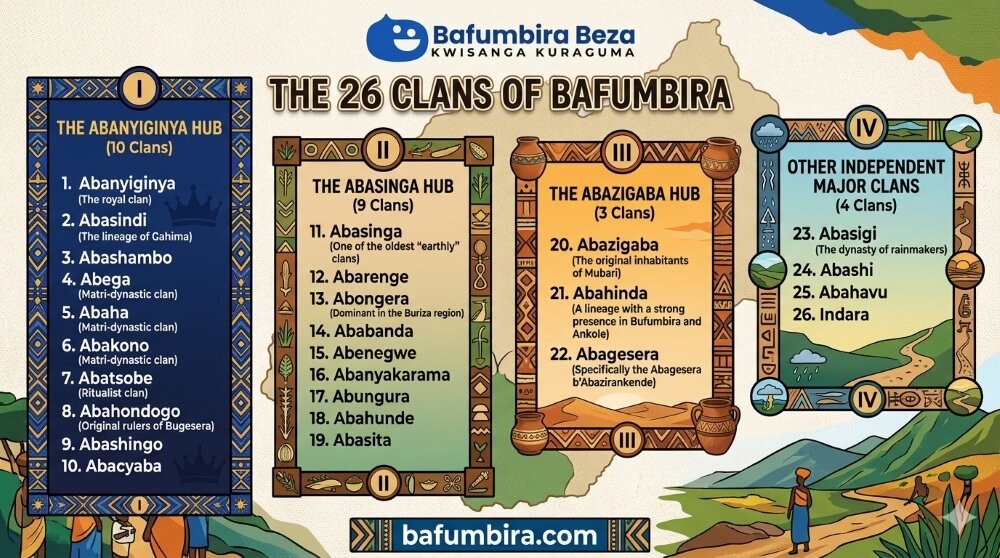
The Abasinga clan is one of the most ancient and prominent clans among both the Banyarwanda and Bafumbira and the overall great lakes region. Historically, they are recognized as one of the three primary foundational clans or “hubs” (ibicumbi bikuru) from which many other regional lineages emerged. According to the cultural scholar, Nsanzabera Jean de Dieu, the other two foundational clans are Abazigaba and Abanyiginya.
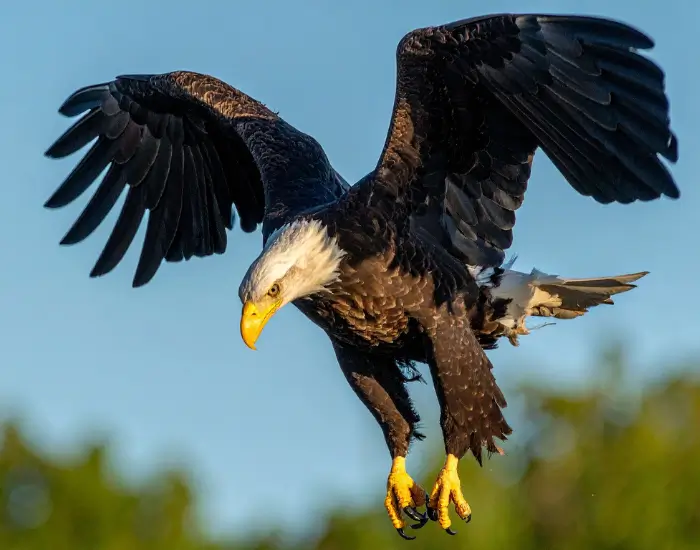
Before we proceed. My name is Vicent Nemeyimana. I am a Musinga (of Eagle or hawk totem), for my father, Nsabimana Boniface is a Musinga. My mother, Nyirakubanza Josephine, is a Mwungura (Abungurafundi), and both Abasinga and Abungura have a special bond, which dates back to a similar ancestral origin. We are going to see all of these details in this article.
Wait! Do you love what we are doing? Would you love supporting us with any donations? Yes, from as low as 1 US dollar to as much as you want, please, support our work
Abasinga clan is among the Abasangwabuka (the original inhabitants of the land or landlords), implying they existed before the establishment of the Nyiginya dynasty. Every clan that pre-existed the Abanyiginya dynasty is categorized under the first ibimanuka (‘the first that fell from the sky’ or Ibimanuka bya Mbere). In our other articles, we have labored to explain the concept of ‘IBIMANUKA’, specifically addressing the first ibimanuka (Abasinga, Abazigaba, Abagesera) and the second ibimanuka (Kigwa and his group)
Abasinga: Historical Origin and Ancestry
The Abasinga trace their roots to the very dawn of society in the Great Lakes region:
The First Ibimanuka: They are associated with the legacy of Rurenge, a foundational figure categorized as one of the “First Ibimanuka” (those who “fell from heaven” in a very ancient era). According to some cultural writers, for example, the Uruyange Cultural Research Hub, Rurenge was a primordial patriarch who ‘lived in humanity’s earliest ages, when populations were small and leadership structures were just forming‘. As such, Rurenge is not only the forefather of Abasinga (through his wife, Nyirabasinga), but the foundational father of many other clans through his many sons and lineages. For example, the Ababanda (via his son Kibanda), the Abungura (via Cyungura), the Abasita (via Gasita), and the Abongera (via Mwongera), Abenengwe (via Mungwe), Abahunde, Abanyakarama (through Karama), and others. According to the scholar, Nzanzabera, there are about 9 other big clans that originate from Rurenge and his seven sons. Specifically, Abasinga from Rurenge’s prominent son called Jeni (Jeni ya Rurenge) are regarded as the most ancient. These are called Abasinga b’Abarenge. The name Abarenge translates to “The Unsurpassed” (Abadasumbwa).
The Name and Nyirabasinga: The clan is specifically named after Rurenge’s wife, Nyirabasinga. Well, they take after their mother for various reasons; possibly to be set apart from other Rurenge’s sons and lineages from other wives. Also, Nyirabasinga was from the strong house of Abazigaba, implying a need to hold onto that landlord’s power and authority. Lastly, mothers, especially the founding mothers were highly respected. It’s the same story with Abacyaba ba Nyirarucyaba.
According to some scholars, Rurenge existed at the same time with his brother, Kazigaba, and their sister, Nyirankende. Well, as it looks, these guys married among themselves! Or married each other, lol! Hallelujah! The first union involved Kazigaba marrying off his sister, Nyirankende, and they gave birth to Nyirabasinga. The Second Union: Rurenge (the uncle) then married his niece, Nyirabasinga. From this union, the massive Abasinga clan was born.
Well, it is not the first time we have been fed with a story like this, especially for the foundational figures or first family, is it? In the Egyptian mythology, we are told of gods (Geb and Nut) and twins (Osiris and Isis) that married each other for the purposes or reasons of balance, divinity continuation, and out of necessity. In the Bible (or even in Islam), we are told of the first man, Adam and Eve and their sons, Cain, Abel, Seth, etc married each and among themselves. The fact of the story, says some people, is that Cain married his sister (Âwân) and Seth too married his sister (Azûrâ).
Wait! Do you love what we are doing? Would you love supporting us with any donations? Yes, from as low as 1 US dollar to as much as you want, please, support our work
And for the Bafumbira, Banyarwanda, and great lakes region’s story, the issue of marrying each other does not end with the first Ibimanuka. Oral tradition stories show that the second Ibimanuka (Sabizeze or Kigwa, his brother, Mututsi, and their sister Nyampundu) also married each other. Kigwa married their sister and they gave birth to Sukiranya. Later, Mututsi married Sukiranya and they gave birth to the famous Abega clan.
We will come back to these stories while discussing incest and why it did not matter for the first families! However, in brief, when generations grow and expand, marrying a close kin becomes more disadvantageous. Additionally, there are many socioeconomic, biological, and political reasons why marrying from a different clan becomes more favorable than the in-house marriages that were common with first or foundational families.
We have discussed the biological (Genetic) reaons for the taboo against marrying from one’s clan or a close relative, but we will uncover all the others in our later writings, eg: need to create political alliances, expand clans, avoid legal or social or spiritual consequences of such unions depending on the organization of a given society, and more. Back to the Abasinga and their origin;
Original Inhabitants: They are traditionally known as abasangwabutaka (“those found on the land”), meaning they occupied the territory long before the arrival of the Nyiginya dynasty. We have already explored this here and even in our other articles. It is exactly for this reason they owned the land rights and were entrusted with spiritual and ceremonial rituals (Abase), giving agricultural blessings and spiritual cleansing rites for other clans.
The branches and sub-groups of Abasinga Clan
The larger Abasinga clan is split into three prominent historical branches and lineages based on migrations and ancestral leaders. These are all Abasinga with similar totem, the Eagle, but with different callings or times of prominence!
- Abasinga b’Abarenge: The oldest branch, tracing back to the legendary ruler Jeni rya Rurenge.
- Abasinga b’Abanukamishyo: Descendants of a famous 15th-century traditional diviner named Runukamishyo who is believed to have come from Ndorwa (present-day Kicumbi, Nyagatare, Kabale, Ntungamo, Rukungiri – kingdom of Mpororo).
- Abasinga b’Abagahe: A later branch highly celebrated for its cultural contributions, which produced famous royal poets (Abasizi) like Sekarama and scholars. They also came from Ndorwa kingdom in the 15th century. In modern Bufumbira (Kisoro), the Basinga are sometimes grouped closely with or alongside the broader Abagahe clan architecture.
In addition to these internal branches, Abasinga have also produced 9 other external clans (totally with different ancestral figures and totems) through different children and lineages of Rurenge. We already mentioned these 9 clans above.
Abasinga: Historical Roles and Contributions
The Abasinga played pivotal roles in the political and ritual formation of the state:
I. The Barenge Dynasty: Before the rise of the centralized Rwandan kingdom, the Abasinga (specifically the Abarenge branch) ruled their own extensive independent kingdom. Specifically, before the arrival of Kigwa’s group and establishment of Nyiginya dynasty, Abasinga had created their own kingdom. This kingdom was actually big. Scholars have said it extended to Northwestern Rwanda – centered heavily around the historical region of Nduga, Southern Rwanda – covering parts of the modern-day Butare (Huye) region and stretching down to the Akanyaru River, and Eastern Democratic Republic of the Congo – reaching as far west as the Masisi region. In all these places, Abasinga are many! Abasinga were highly innovative and with advanced social and administrative structures, sometimes compared with the developments of the then Mwene Mutapa of Zimbabwe. It is this technology advancement that made Abasinga outshine the Abazigaba. According to the book, the History of Rwanda, Barenge kingdom was famous for pottery-making, advanced ironworking, water wells dug in the rocks, and utilizing the drum as a primary royal insignia.
II. Providers of Queen Mothers: They were the first clan to provide Queen Mothers (Abagabekazi) for the monarchy. It is estimated that nine of the first twelve queens of the early kingdom came from this clan. When Kigwa and colleagues (second Ibimanuka) came and later their descendants, Gihanga Ngomijana and fellows, they could not directly subdue the existing kingdomws. As such, they instead prioritized alliances through marriages and other political tactics. All clans that provided queen mothers were called Ibibanda, (or matri-dynastic clans) and they include (d) Abasinga, Abega, Abakono, Abaha, and, to an extent, Abagesera.
Abasinga championed this new venture! For example, a Musinga descendant, a woman named Nyamususa, the only child of Jeni of Rurenge, married the first King of Rwanda (Gihanga), becoming the first wife or queen to co-share ruling with her king. They gave birth to Gahima (also known as Kanyarwanda), who later succeeded his father, Gihanga.
Wait! Did you know that the son of Kazigaba (the first Ikimanuka) was also called Gahima, but one (also known as Gahima Kibamba)? Now you know! Additionally, Gahima and his wife had other sons and daughters, for example, Nyirarucyaba (ancestral figure of abacyaba), Kanyandorwa, Kanyabuha, and Kanyaburundi (sons).
Well, it is important to note that a queen mother (Umugabekazi) specifically meant the mother of the King or monarch, and not necessarily the wife of a king (umwamikazi). As such, Umugabekazi was more powerful than Umwamikazi. For Nyamususa, she automatically gets that powerful, for she is the beginning of the program. After all, for one to be Umugabekazi (give birth to a King or monarch), they had to mostly be umwamikazi (wife of a king) first!
However, her full power as an Umugabekazi came into effect following the death of Gihanga as she co-ruled with her son, Gahima Kanyarwanda, setting the pace for the ‘Ibibanda’ tradition, and specifically making it possible for Abasinga to lead that program, for about 9 kings out of the first 12 Nyiginya or Monarch kings!
Wait! Do you love what we are doing? Would you love supporting us with any donations? Yes, from as low as 1 US dollar to as much as you want, please, support our work
Anyway, back to the point, Abasinga were queen mothers of many prominent kings, Gahima II (or Kanyarwanda or Kanyarwanda I Gahima), Rumeza I, Yuhi I Musindi, Rumeza II, and Nyarume who were all born to Abasinga mothers under the earliest dynastic court protocols, Rubanda, Ndahiro I Bamara, Ndahiro II Ruyange, Ndahiro III Ndoba, and Ndahiro IV Samembe, Nsoro I Samukondo, King Ruganzu I Bwimba (Famous historical ruler born to Queen Mother Nyiraruganzu I Nyakanga, the final natural mother of the early Abasinga lineage to hold power). We will come back to this story of how Abasinga were banned (by King Ruganzu I Bwimba) from providing queen mothers, giving rise to Abega and Abakono as providers of queen mothers. There is also King Ruganzu II Ndoli, a later 16th-century warrior-king who bypassed traditional family guidelines to appoint the brilliant Abasinga poetess Nyirarumaga as his official adoptive Queen Mother. We will come back to Nyirarumaga too and her founding of Poetry.
III. Ritual Authority (Abase): As high-level ritualists, they were entrusted with conducting essential ceremonies for other clans, including agricultural rituals and rites of spiritual cleansing. We already explained how the Abasinga got this title! They were Abasangwabutaka and thus had all the rights and blessings of and for land.
IV. Abasinga were one of the three foundational families of the Abiru (ritual legalists and custodians of the royal esoteric code), the others being Abatsobe and probably Abasindi b’abanyiginya. We wrote a separate article on Abiru here. Enjoy it.
V. Cultural Legacy (Nyirarumaga, founder of poetry): The Abasinga clan produced one of Rwanda’s most celebrated historical figures, Nyirarumaga. A direct descendant of the Abasinga, she was a renowned court poet who revolutionized Rwandan literature by creating the Impakanizi format, which allowed for the simultaneous narration of multiple royal reigns. She created the formal institution of royal court poets (Abasizi), establishing the oral archival system that preserved centuries of Great Lakes history, royal genealogies, and victory songs through poetry. As such, the King, Ruganzu II Ndoli adopted or appointed her as his own queen mother (1510-1543), which really turned the course of history for Abasinga clan who had earlier been banned from ever becoming queen mothers! We will come back to her.
Have I forgotten something? Let us know!
Abasinga: Everyday General Behaviors & Characteristics
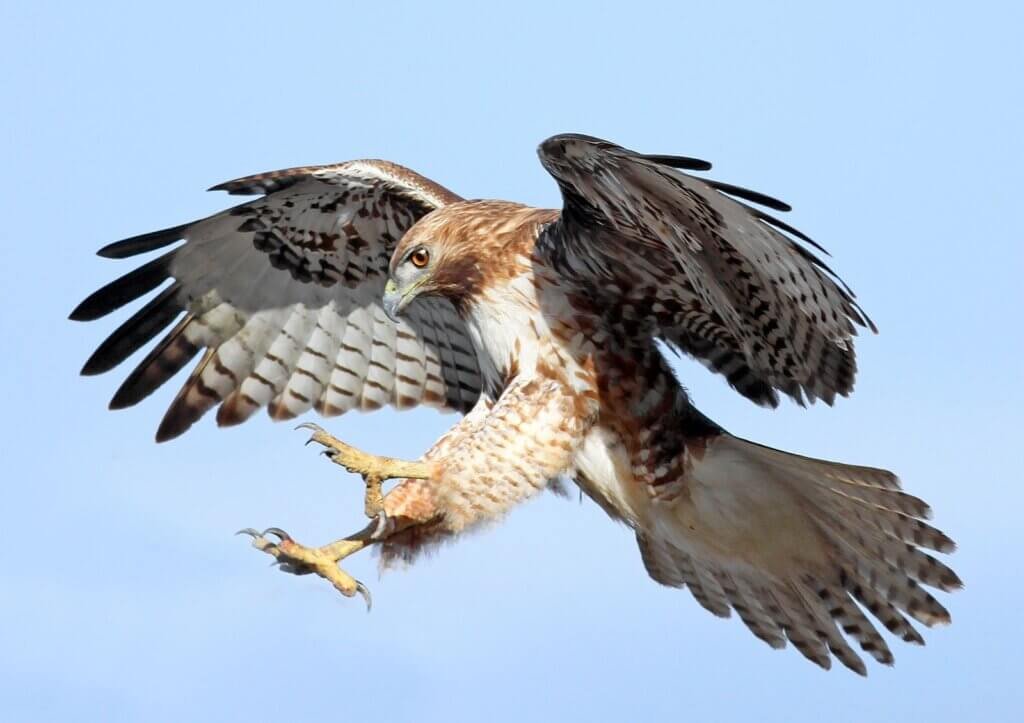
In the oral traditions of Kisoro, Kigezi, and northern Rwanda, the Abasinga are associated with several distinct behavioral traits:
- Fiercely Proud & Independent: Knowing they are among the oldest “owners of the soil,” the Abasinga carry a quiet, unshakeable pride. They rarely bow down to political pressure or social trends easily.
- Articulate, Eloquent:, and Poetic Mirroring the legacy of Nyirarumaga, Abasinga are culturally stereotyped as great orators, storytellers, and persuasive speakers. In village meetings (Inteko) and family negotiations, an Abasinga elder is often chosen to speak because of their command of language.
- Deeply Tied to Family & Clan Loyalty: They are known to hold family bonds in high regard. If a member of the Abasinga clan is in trouble, others will rally quickly to support them, maintaining strong internal networks across borders (Uganda, Rwanda, and DRC).
- Resilient & Adaptable: Because they survived the rise and fall of ancient kingdoms, colonial border splits in 1910, and modern political shifts, they are highly adaptable, succeeding equally as farmers, cattle keepers, academics, and civic leaders. Specifically, following a political conflict involving the Abasinga chief Nkurukumbi and King Ruganzu II Bwimba, the clan was decreed to never again provide Queen Mothers as a form of punishment. Despite this displacement from the “matri-dynastic” circle, they remained essential as ritualists and military defenders. And as we already noted, they came back through their poetry queen, Nyirarumaga.
Abasinga are currently everywhere across the great lakes region. Specifically, the 1910 colonial border partition split the Abasinga across three nations, but their bloodline remains unified:
- DRC: Concentrated in the North Kivu province (Rutshuru, Masisi, and Goma).
- Uganda: Heavily populated in Kisoro District (Bufumbira), as well as Kabale, Rubanda, Rukungiri, and settlement areas in Bunyoro and Buganda.
- Rwanda: Spread across the Northern Province (Musanze, Burera) and Eastern Province (formerly Gisaka territory).
Conclusion:
The Abasinga represent the deep historical anchor of the region. Whether a Musinga is historically a Hutu farmer or a Tutsi pastoralist today or a Mutwa somewhere, their shared Sakabaka (eagle or hawk) totem and ancestral connection to the ancient land proves that beneath modern political labels lies an unbroken, shared bloodline that spans over a thousand years. And, yeah, Abasinga Oyeeeh!
Oh gorgeous. Abasinga Juuuu
Abasinga are born leaders.
Yeah, they are leaders.
[…] Jean de Dieu, which suggest that Abungura clan form the 9 major clans under the Abasinga. See these details here. As a major clan, they indeed have many other […]