
Rufumbira Language for Bafumbira: Is Speaking Rufumbira at Risk of Extinction?


Rufumbira Language is spoken by the Bafumbira of Kisoro District of Southwestern Uganda. It is heard in the bustle of morning markets, the energetic debates on local radio stations like Voice of Muhabura, the songs sung during harvest, and the everyday conversations of over 700,000 Bafumbira across Uganda. Most people define it as a dialect of Kinyarwanda, the national and official language of Rwanda, and it indeed has no dedicated Wikipedia page or any powerful digital home (except the one we are creating for it here).
Except for some few words, pronounciation, and the sound or tone of speakers, Rufumbira can easily be confused with Kinyarwanda indeed. However, historical facts show that it is a distinct language for a distinct people and culture, and has been in existence at least since 1910, which is more than 100 years ago!
In the grand of things, Bafumbira Beza and all Bafumbira keep wondering about the language’s future: Is Rufumbira at a risk of extinction? Are there any threats to the language and the identity it communicates? Let us explore this aspect in this article.
Is Rufumbira Language at a rik of Extinction?
According to UNESCO, of the more than 6000 indigenous languages in existence today, more than 40% are at a risk of extinction. When a local language is lost, people, culture, and heritage are lost with it. Without an indigenous language, culture of that indigenous community cannot be sustained.
Well, according to UNESCO and other experts, a local language is considered at risk of extinction when its intergenerational transmission stops, meaning native speakers cease to pass the language down to the next generation, they stop using it in everyday communication, or they use it in a progressively reduced number of settings. How is Rufumbira performing on these parameters?
Well, a quick look at the sociolinguistic data, community habits, and regional demographics shows that Rufumbira is far from extinct, nor is it on the immediate brink of disappearance. However, “not endangered” does not mean “without threat.” Beneath its high speaker numbers lie subtle, ongoing sociolinguistic shifts, including lexical erosion, orthographic gaps, educational marginalization, and urban code-switching, that pose real challenges to the long-term depth, purity, and survival of the language. Let’s dive deeper.
The Current Vitality of Rufumbira Language: Possibilities of Extinction – UNESCO Analysis!
To assess whether a language is endangered, linguists rely on frameworks such as UNESCO’s Language Vitality and Endangerment scale. Key metrics include intergenerational transmission, absolute number of speakers, and the language’s presence in public domains. On a few of these fronts, Rufumbira demonstrates high resilience. However, on others, there are significant threats. Let’s begin with good news!
       [ UNESCO Vitality Assessment for Rufumbira ]

 Intergenerational Transmission  ████████████████████  High (Passed to children)
 Absolute Speaker Population      ███████████████████░  High (700,000+ in Uganda, more than 300,000 in Kisoro)
 Community Language Attitude     ██████████████████░░  Strong (High cultural pride)
 Official / Educational Support  ████████░░░░░░░░░░░░  Low (Lacks standardized curriculum)
 Digital & Written Domain Presence ██████░░░░░░░░░░░░░  Low (Primarily oral)
As seen on the above basics of the scale, Rufumbira is still promising:
- Intergenerational Transmission: Children in Kisoro continue to acquire Rufumbira naturally as their primary first language (L1) at home before entering formal schooling.
- High Speaker Density: Within Kisoro District and neighboring settlement zones across Uganda, Rufumbira is the dominant medium for trade, local governance, social gatherings, and religious worship.
- Strong Cultural Identity: Among the Bafumbira, speaking the language remains a primary marker of identity, self-reliance, and community solidarity.
However, as I already noted, there is more to the threat than meets the eyes. Importantly, UNESCO’s language vitality scale has a total of 9 factors, some of which are really not powerful when it comes to Rufumbira Language. Let’s get a little deeper and I show you where the threats exist.
The Real Vulnerabilities of Rufumbira Language: Structural Challenges to Rufumbira
While the threat of total extinction is not visible at the moment, Rufumbira faces various distinct structural issues that risk eroding its richness over time. A look at all the 9 UNESCO assessment areas for vitality of indigenous languages shows that Rufumbira has many gaps, which can be a threat to its future.
I. The “Dialect vs. Independent Language” Dilemma
Rufumbira belongs to the broader Rwanda-Rundi dialect continuum, mostly defined as a dialect of Kinyarwanda. It shares high mutual intelligibility with Kinyarwanda and Kirundi, while incorporating distinct phonetic, lexical, and tonal shifts unique to the Bufumbira highlands. What does this mean?
Because it is often classified administratively as a dialect rather than an independent national language, Rufumbira lacks a standardized, dedicated curriculum within Uganda’s Ministry of Education local language policies. In primary schools across Kigezi, instruction in mother-tongue literacy often defaults to Runyakitara or standard Kinyarwanda, leaving Rufumbira children without formal literacy instruction in their specific native spoken form.
Importantly, if not preserved, it can be swallowed up by the overall Kinyarwanda, completely erasing the existence of Rufumbira and Bafumbira as distinct culture and identity. In other words, while Kinyarwanda’s existence means there won’t be a time Bafumbira lack what to speak in terms of their heritage and origin, their distinct culture and language can get lost in the mix, completely erasing their evolving and distinct future.
II. Absence of Standardized Written Orthography
Rufumbira remains overwhelmingly an oral language. While spoken fluently by hundreds of thousands, there are very few published dictionaries, standardized grammar rulebooks, or formal literature written strictly in a codified Rufumbira orthography. When Bafumbira write formally, they often switch to English or standard Kinyarwanda spelling rules. UNESCO presents this as factors no. 6 and 9.
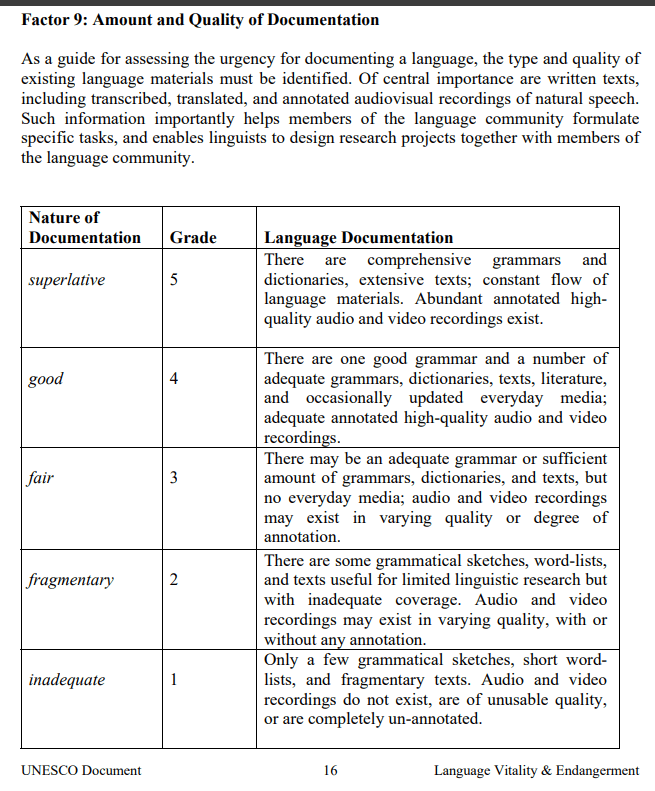
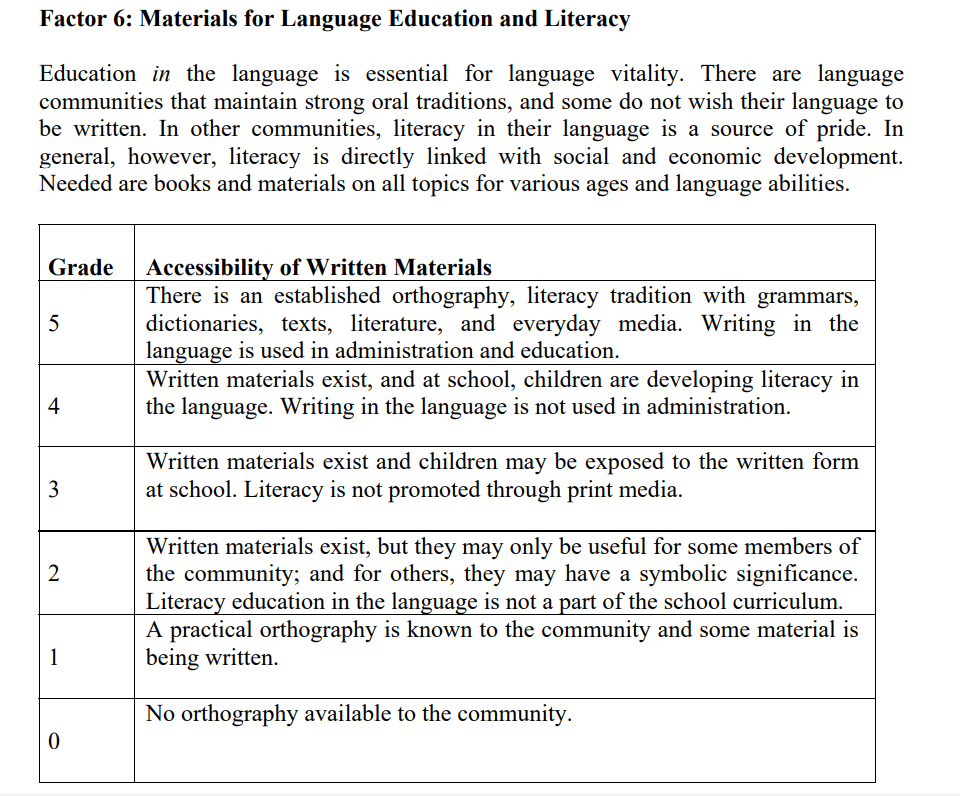
While a few Kisoro figures, for example, Bishop Emeritus Ernest Munyambabazi Shalita and others have tried to document some Rufumbira-related content or books, their work is widely unknown and lacks strong digital presence that is publicly accessible. There used to be dedicated website for Rufumbira Language by some charity organization on the link https://www.rufumbiralang.org. However, it did not have any updated information about the language. Above it all, it is no longer available (see the screenshot below).
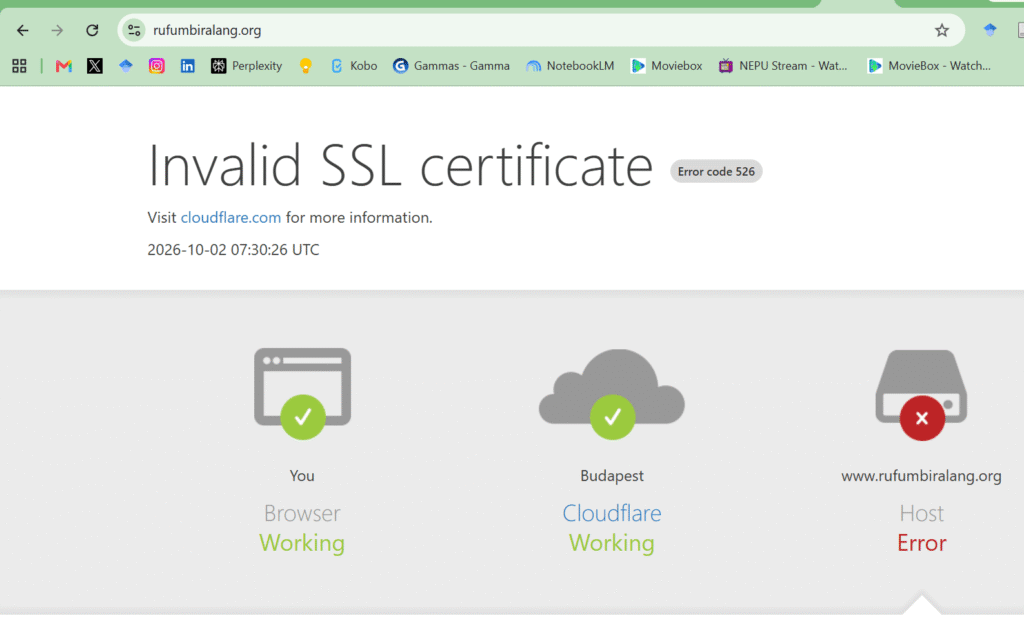
On a good note, we are currently building the standalone page or platform for Rufumbira, and we hope it will carry on the efforts of others, amplify their work, and probably offer better chances of the sustainability and survival of our language.
III. Lexical Erosion and Youth Code-Switching
As younger generations migrate to urban centers like Kampala for higher education and employment and waves of globalization sweep across communities, heavy code-switching (Rufumbira-English-Luganda) has become common. In my view, this is a serious problem!
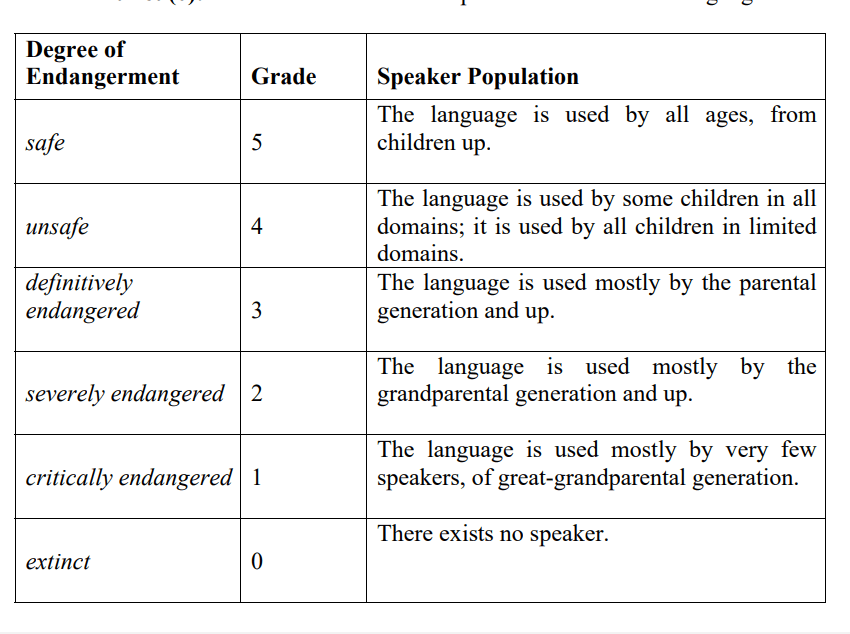
Our own children are born and raised in Kampala, Mbarara, Karamoja, UK, US, and other African countries and chances are they will never know the language, for we too are already struggling with the language. As globalization becomes stronger and global cultures mix at the greatest speed, our grandchildren and their children will definetely no longer speak Rufumbira, unless intentional efforts are made to address the issue.
Due to this issue, specialized historical vocabulary, particularly terms relating to volcanic ecology, traditional terrace agriculture, indigenous herbal medicine, and ancient proverbs (imigani), idioms, wisdom, and jokes, is gradually fading from youth vocabulary, replaced by English words or urban slang. I personally can testify to this struggle, for it is hard to make any communication without adding a bit of English or urban slang. Will my children or their children do any better?
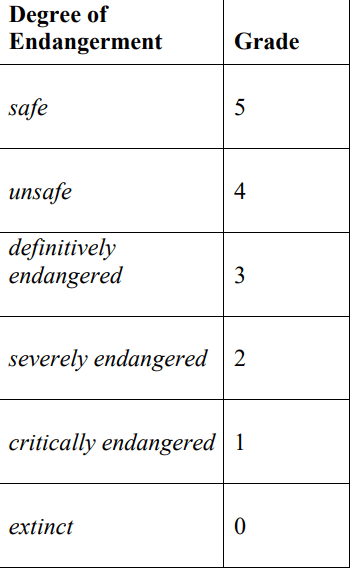
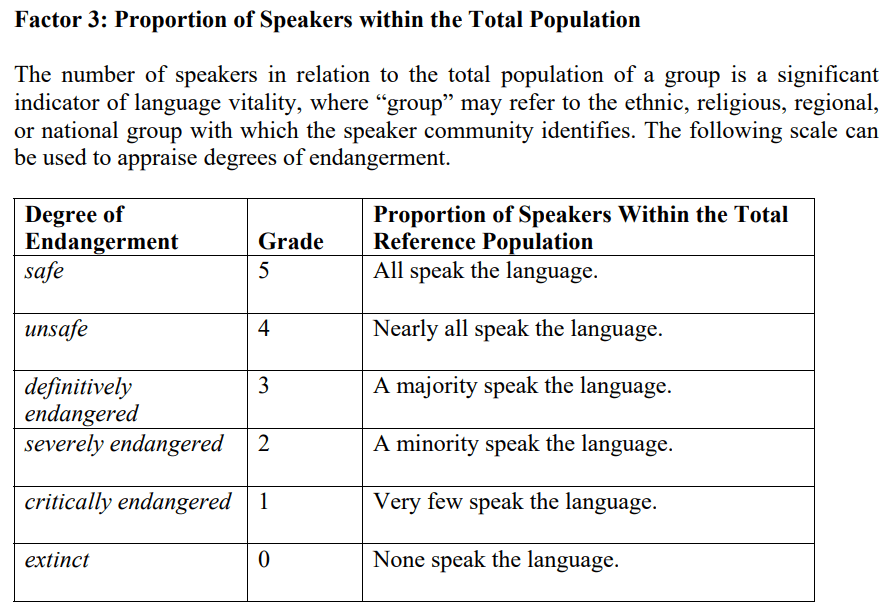
UNESCO captures this point on factors 1 (intergenerational transmission) and 3 (proportion of the population that speak the langauge). See the screenshots below:
IV. Domain Restriction to Informal Life
While Rufumbira dominates the home and local market, higher-status institutional domains, such as national law, parliamentary governance, high-tech enterprise, and education, are conducted exclusively in English or other local languages. When a language is excluded from formal technological and economic spheres, its vocabulary struggles to adapt to modern scientific and digital realities.
Wait! Did you know there were attempts to replace Rufumbira with Rukiga and the overall Runyakitara? Yes, during the historical development of Kisoro and our incorporation into the overall Uganda, there were attempts by Kyigezi (or Uganda) to own us and erase our history. However, some leaders foughts against it, and Rwanda ideally supported us, for we relied on their literature for a long time.
Indeed, in the 1960s and 70s and even 80s, our reading materials were in Kinyarwanda. This saved us. We will come back to these discussions when talking about Bafumbira Resistance of Uganda!
Maybe it is time we revamped what Rwanda started and re-populate our schools and classes with Rufumbira literature. Bafumbira Beza is on this as well.
Anyway, UNESCO captures this point on its factors 4 (Trends in Existing Language Domains), 5 (Response to New Domains and Media), 6 (Materials for Language Education and Literacy), and 7 (Governmental and Institutional Language Attitudes And Policies, Including Official Status and Use).
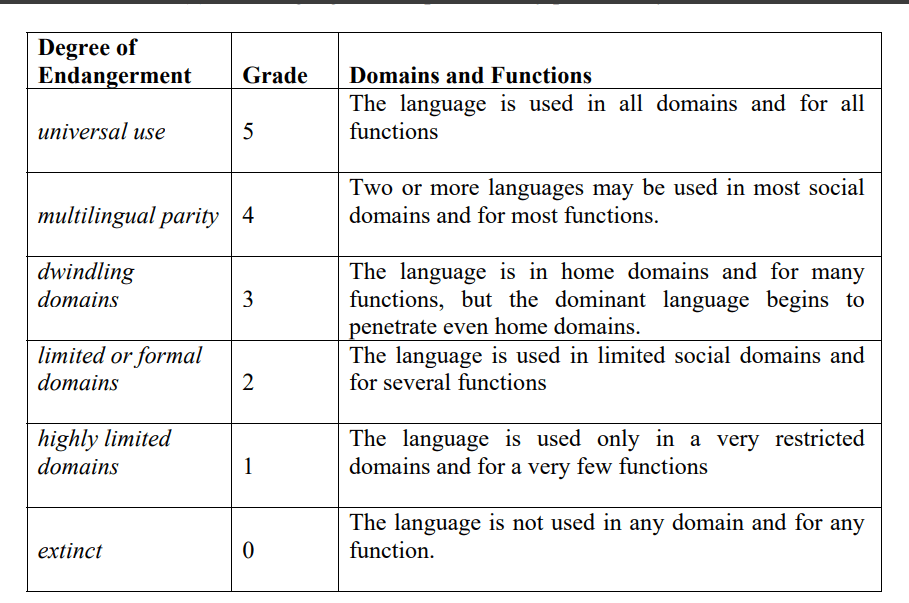
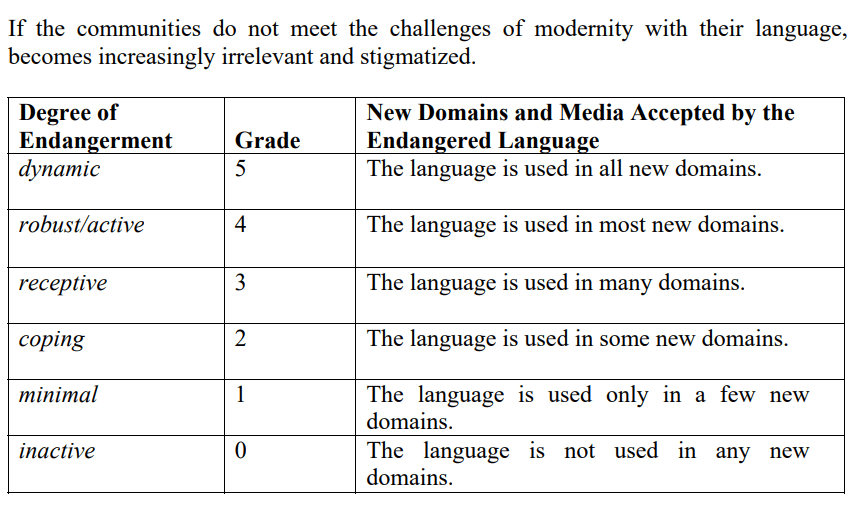
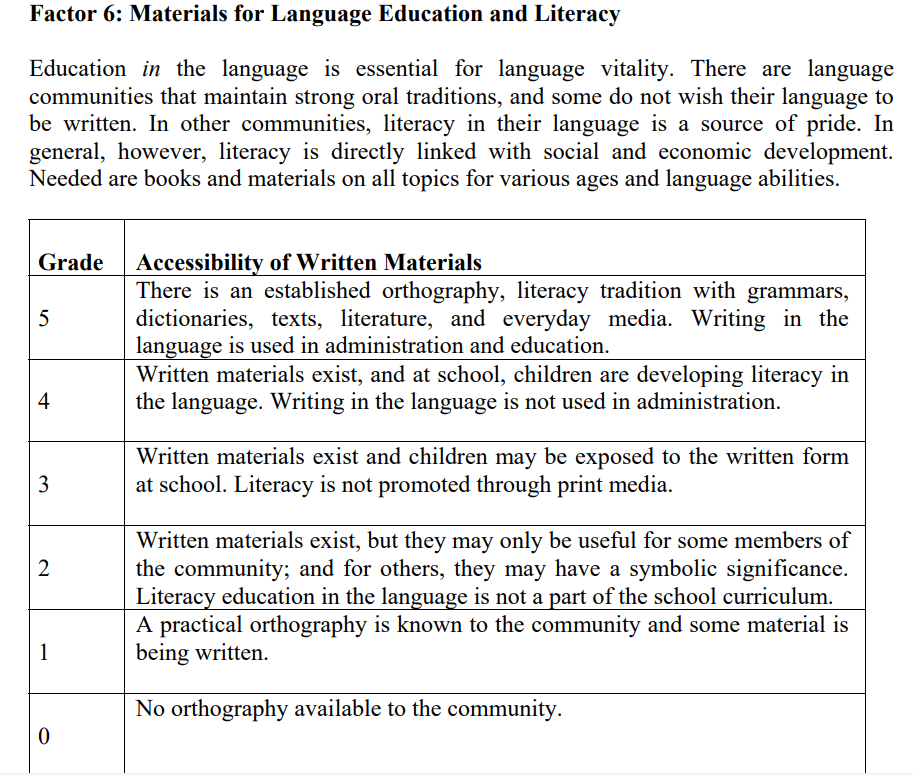
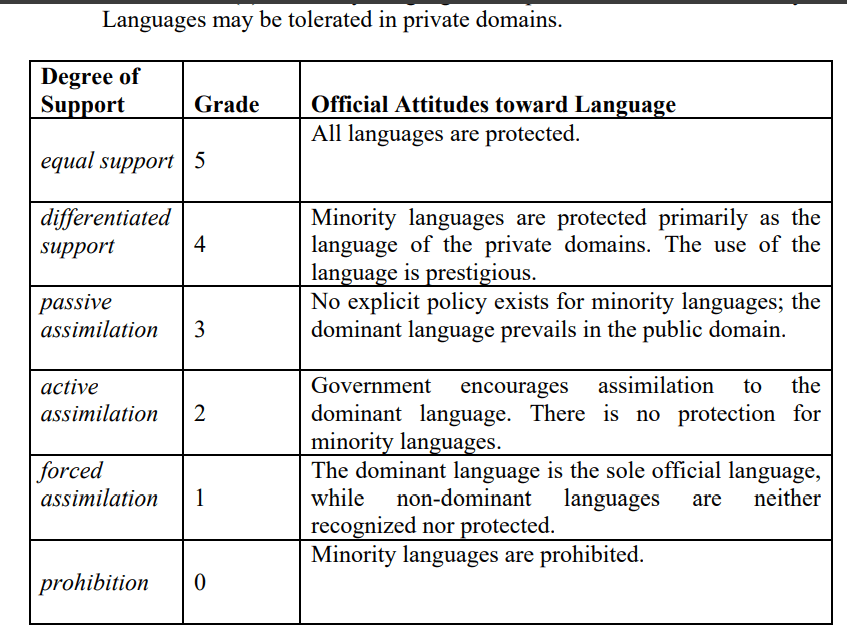
According to my own assessment, Rufumbira is on Grade 3 on factor 4, Grade 1 on factor 5, Grade 2 on factor 6, and Grade 5 on factor 7 (see more here regarding Government’s support of local languages). In brief, Rufumbira is not safe. It is formal in any schools, not used in many new technological domains, and is surely not commonly used anywhere except informally at home or informal chats.
V. Bafumbira’s Love and Support for their Language
In my view, it all starts and ends here. Do Bafumbira love their language? Would they do anything in their power to preserve it? While many really love it and want to preserve it, a significant number of Bafumbira do not care. Well, statistically, it is hard to tell the numbers. However, in our short video yesterday, we agreed that some Bafumbira across Uganda and the world no longer want to be associated with that identity and definetely do not care about the future of Rufumbira language and culture. Let us explore this point further with the UNESCO’s tool.
In the language vitality tool, UNESCO captures this aspect on factor no. 8 (Community Members’ Attitudes toward Their Own Language). See the screenshot below:
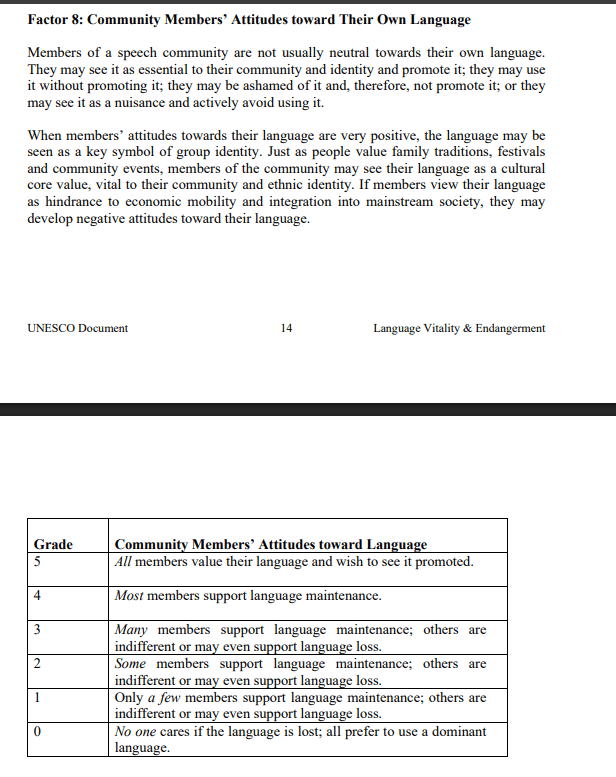
Please, access the whole UNESCO Language vitality assessment tool on Bafumbira Library, read and make the assessments yourself. Rufumbira may not be as safe as it meets the eyes!
Rufumbira Language Preservation: A Path Forward for the Language
Addressing these vulnerabilities requires proactive steps focused on language enrichment and documentation rather than panic over extinction:
- Orthographic Standardization: Linguists, cultural institutions, and Bafumbira scholars should collaborate to publish standardized Rufumbira dictionaries, grammar guides, and children’s literature.
- Digital Archiving & Content Creation: Promoting Rufumbira podcasts, digital news outlets, social media content, and local literature ensures the language thrives in modern digital spaces where younger generations hang out.
- Preservation of Oral Literature: Systematic recording and documentation of elder proverbs (imigani), clan histories, and folk songs will prevent the loss of specialized indigenous vocabulary.
- Community Language Pride in the Diaspora: Encouraging diaspora families in urban centers to speak Rufumbira at home ensures that children raised outside Kisoro maintain fluent oral mastery.
Add your own recommendations, what do you think should be done?
Conclusion on Rufumbira Language Extinction

Is speaking Rufumbira at risk of extinction? No. Rufumbira is a living, resilient language deeply anchored in the daily life and cultural pride of the Bafumbira people. However, its long-term future depends on moving beyond mere oral survival. By standardizing its written form, documenting its rich vocabulary, and embracing digital media, the Bafumbira can ensure that their mother tongue remains not only widely spoken, but structurally robust, linguistically rich, and fully equipped for generations to come.
ACTION: From here, you can do a lot to support RUFUMBIRA LANGUAGE. Join our WhatsAPP Group and speak and write Rufumbira everyday with others. You can do the same on Bafumbira Beza NewsFeed. Secondly, we are currently developing a Rufumbira platform here, and you can donate and support all our efforts here at Bafumbira Beza. Lastly, access Rufumbira guides and other related literature on our Bafumbira Library.
Mwakoze Cyane.

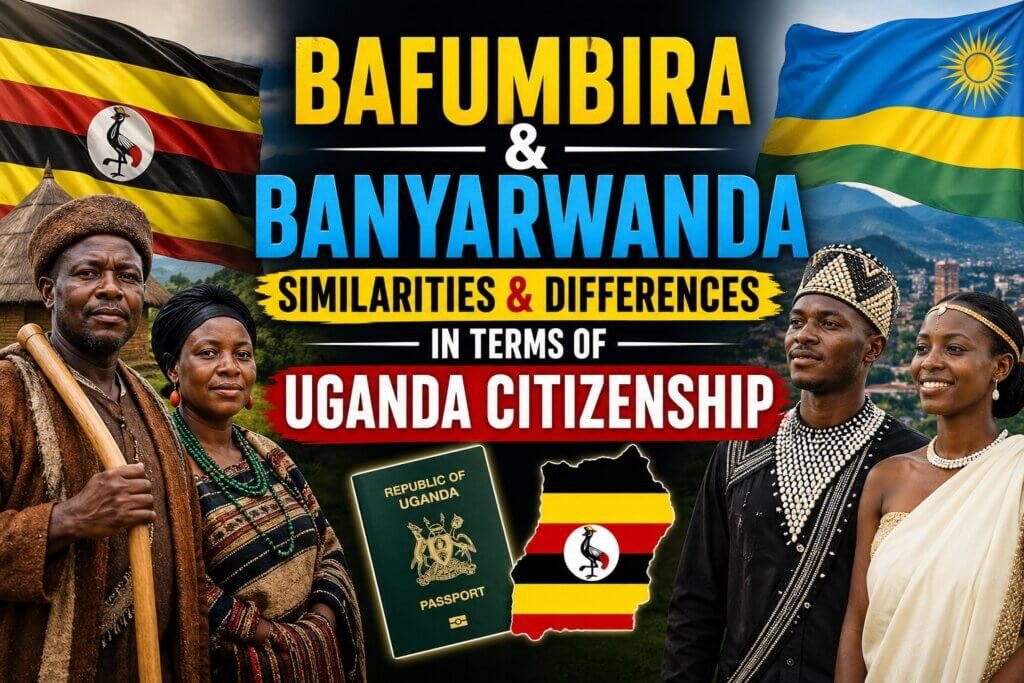

The language is spoken by the Bafumbira people, who primarily live in the Kisoro District in the southwestern corner of Uganda, However there is a comprise of three indigenous groups—the Bahutu, Batutsi, and Batwa. They live in Kisoro District, near the borders of Rwanda and the Democratic Republic of the Congo. Rufumbira is closely related to Kinyarwanda, though it has unique accents.
Indeed. It is closely related to Kinyarwanda and spoken mostly by those in Kisoro. However, according to Uganda’s 2024 population, only 48% of Bafumbira live in Kisoro, implying that a bigger proportion, which is 52% are elsewhere in Uganda, and these may not be speaking Rufumbira everyday, and their children are even at a more risk of not speaking Rufumbira. Their grandchildren will likely never speak Rufumbira. So our language is actually not safe!
Not safe at all.
We should be proud of being Bafumbira and exercise speaking our mother language
Yes. In fact, I am not worried about myself, but my children. WE SHOULD TRY TO TEACH THEM!