

Abasindi Clan: Ancestral Origin & Totem, Historical Roles & Contributions, and their Everyday Behaviors

The Abasindi Clan is one of the foundational royal clans (ubwoko or umuryango mugari) of the Banyarwanda, Bafumbira, and even Barundi, tracing their origin from Gihanga Ngomijana, the founder of Rwanda, through his descendants. They live in Rwanda, southwestern Uganda (particularly Kisoro/Bufumbira), Burundi, and eastern DRC.
Historically intertwined with the ruling Abanyiginya dynasty, the clan carries deep roots in statecraft, esoteric ritual, and aristocratic tradition. In this article, we explore everything about this powerful clan.
Abasindi Clan: Ancestral origin and totem:
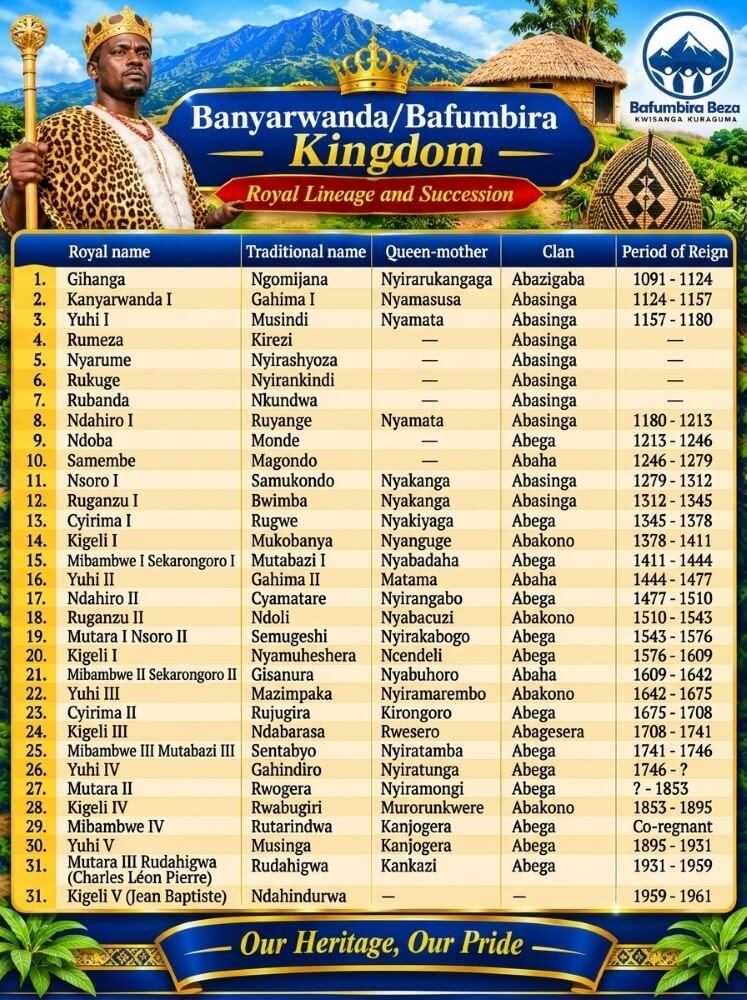
The Abasindi trace their ancestry to Gihanga Ngomijana, the legendary founder of the ancient Rwandan kingdom, through his descendants Kanyarwanda I Gahima and King Yuhi I Musindi, from whom the clan takes its name. In other words, Abasindi are Kings or Abanyiginya.
Abasindi are foundational ‘Ibimanuka’ as well (I hope we already agreed Ibimanuka did not actually come from heaven or sky). However, if we consider that the first ibimanuka were abasangwabutaka (Abasinga, Abazigaba, Abagesera, etc), second ibimanuka as Kigwa and colleagues, then Abasindi are roughly part of the ‘third Ibimanuka’ (my own created category), given their direct lineage from Gihanga who was generally believed to be both ‘Umusangwabutaka’ (human) and Ikimanuka (god). But this classification of Ibimanuka into three groups is an oversimplification, for some authors actually depict Gihanga as the last Ikimanuka (11th of all).
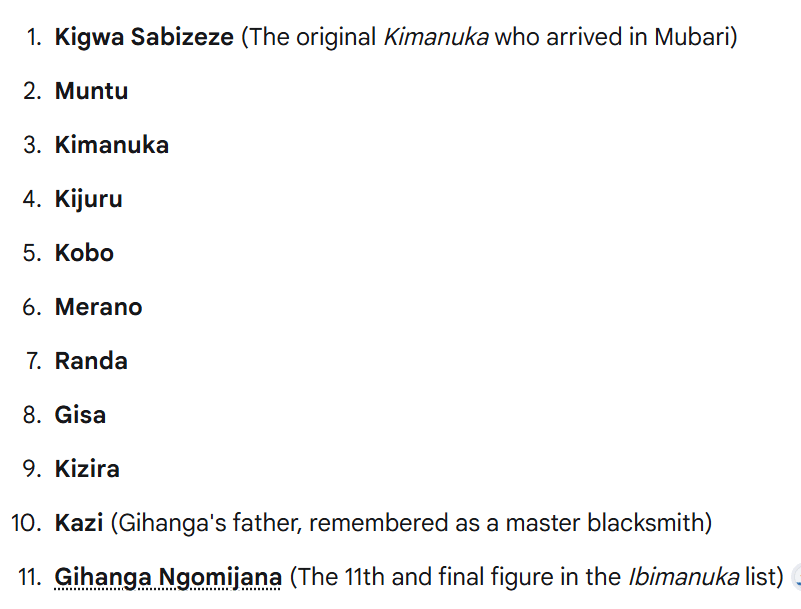
Being the last of Ibimanuka makes Gihanga a special one too, and indeed the founder of Nyiginya Dynasty. How? Dual Heritage! According to some scholars, Gihanga’s father (Kazi) was Ikimanuka (god) and his mother (Nyirarukangaga) a Musangwabutaka (human). To make matters even more human, he married a Musangwabutaka (Umusinga woman called Nyamususa). This qualified him to be the first Human King to rule over his people, establishing his Kingdom at Gasabo.
Anyway, back to the point, according to available evidence, Abasindi are simply a sub-clan of the overall Abanyiginya royal clan (those that descend from Gihanga Ngomijana). However, it seems the name ‘Abanyiginya’ was actually not common or famous. After King Yuhi Musindi, all those that belonged to ruling clan decided to take on the name ‘Abasindi’ in honor of their ancestral figure rather than the generic royal name ‘Abanyiginya’.
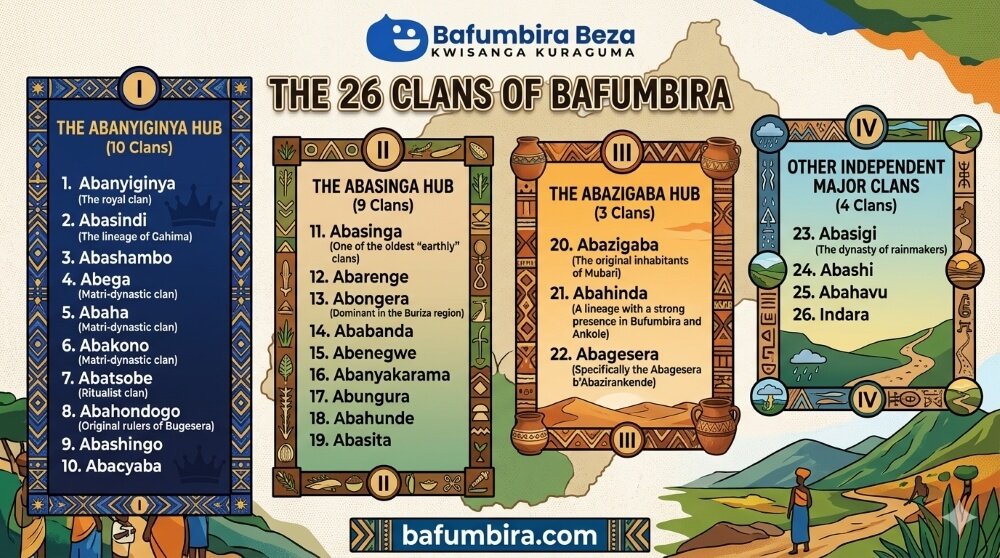
However, by the time of King Ndoba and his obsession with orderly restoration of clans under totem system, the kingly or royal clans or those that specifically were rulers reclaimed their ‘Abanyiginya’ name again in honor of the founder of Rwanda Monarch, Gihanga.
Some scolars have implied that to be a Musindi was to lose the honor of wealth and power and to be a Munyiginya meant reclaiming back the honor and wealthy of Kings. To be a Musindi is to diverge away from the throne, whereas Abanyiginya are specifically rulers, executing a direct order from Gihanga. Important to note is that the term ‘Abanyiginya’ does not even originate from Rwanda, but Uganda, specifically Ankole, and it simply means those with ‘wealth and honor’. However, this is no big deal.
Therefore, overtime, some Kings, for example, Ruganzu Bwimba, Ndahiro Ruyange, and Gitandura II, would intentionally call themselves ‘Abasindi’, and most other kings were simply ‘Abanyiginya’. As such, Abanyiginya, Abasindi, and Abatsobe are all rulers in one way or the other.
Abasindi Clan Totem
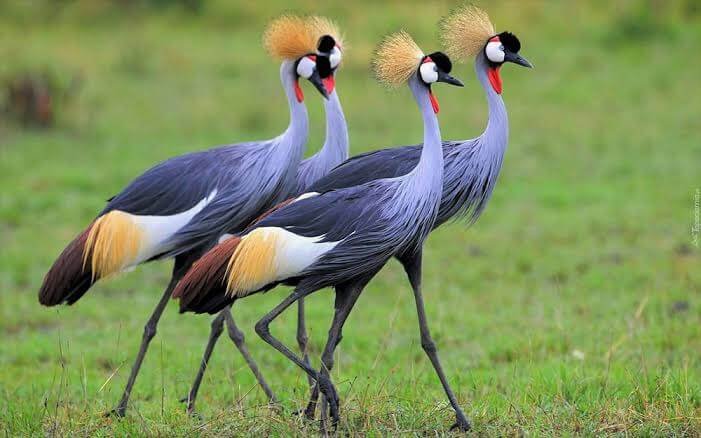
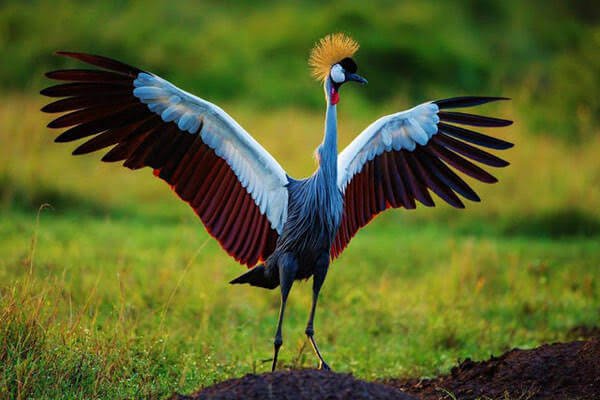
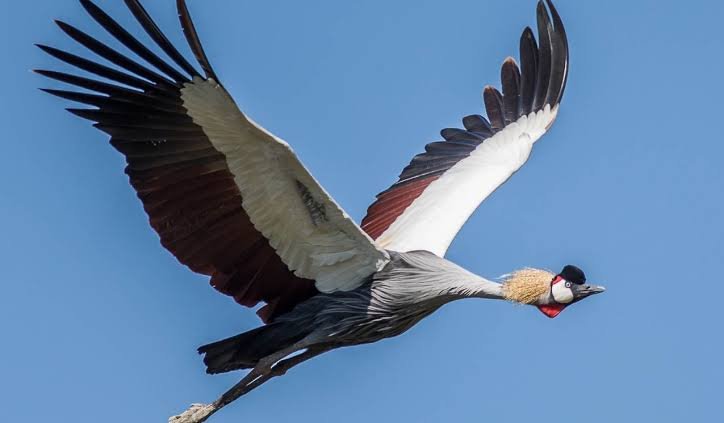
These three clans share a Crested Crane (Ngwali or Umusambi) as their totem, and they are technically refered to as a phratry. The Crested Crane symbolizes grace, longevity, nobility, and peace. Traditional taboos strictly forbade Abasindi members from killing, harming, or eating the crane, as doing so was believed to bring misfortune or ritual impurity upon the family.

Responses