

Bafumbira Clans: Exploring Bafumbira Bloodlines, Totems, & their relevance!

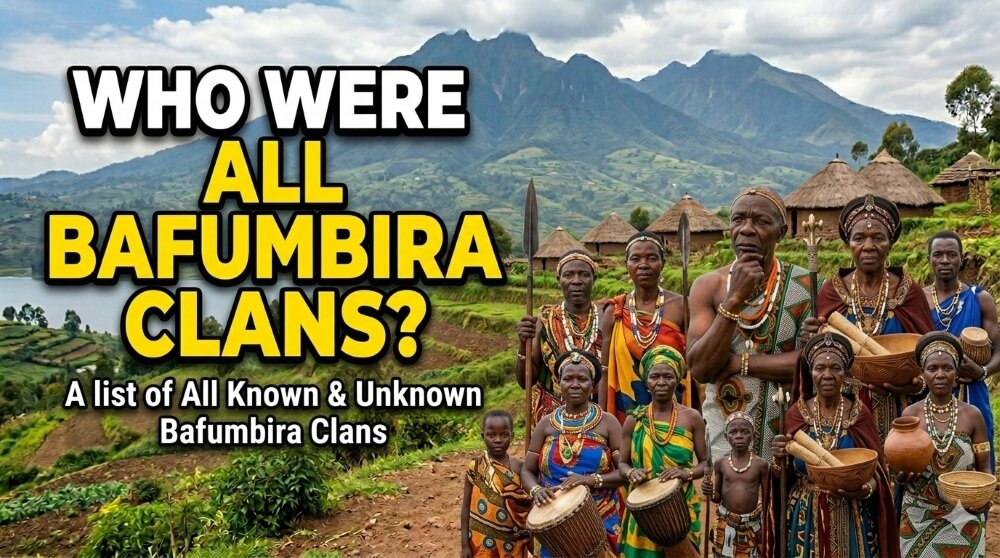
Bafumbira Clans are the true identity and reason for oneness and unity of all. While the national constitution categorizes the people of Kisoro as Bafumbira, and social status often distinguishes them as Hutu, Tutsi, or Twa, there is an older, more resilient foundation that defines the “Anatomy of a Mufumbira”: the Ubwoko (Clan) or Umuryango or Umuryango Mugali.
The clan is the true “bloodline” of the Bafumbira. It is a spiritual and biological identity that has remained stationary for over 1,500 years, surviving the shifting borders of 1910 and the colonial “racialization” of social classes. To understand a Mufumbira is not to ask whether they are a farmer or a cattle-keeper, but to ask for their totem.
Definition and origin of clans
As already described, a clan means a group of people sharing the same ancestors, implying they are brothers and sisters. The historical myth regarding the origin of Bafumbira or Banyarwanda states that NOT all clans originated from Kigwa and his siblings, for example, Mututsi, his brother, and Nyampundu, his sister, for that would mean they married each other.
Instead, Ibimanuka (those who “dropped from heaven”) did not arrive on an empty Earth. According to the myths, when Kigwa (Sabizeze) landed in Mubari, the land was already inhabited by the Abazigaba clan under their king, Kabeja. Because there were already established “earthly” clans like the Abazigaba, Abagesera, and Abasinga, the descendants of Kigwa had others to marry besides their own direct siblings.
According to a cultural group called Uruyange, it is also believed that there were the first ibimanuka (probably those who are generally thought to be the abasangwabutaka) and the second ibimanuka (the group of Kigwa).
However, in my view, given the theological story that humans have one origin, no matter how far we push it, we are all from one father and one mother, and we have generally married and given birth among ourselves, lol. Anyway, it seems, people may fail to trace their lineage or not care about it altogether, especially after many lines of generations.
As such, even today some Bafumbira date each other and even enter into marriage and birthing of children without knowing or minding about if they share a similar clan!
The origin of Clans: Under what circumstances would a clan form?
According to the research and writings of Nsanzabera Jean De Dieu (see here and here), there are about 200 clans among Banyarwanda and possibly Bafumbira. According to this scholar, while there are 3 overall major ones, then about 26 main ones that come out of these first three, and then each of these 26 clans have their own sub-clans or sub-groups or houses, leading to close to 200 clans if they were all counted. See the attached image below:
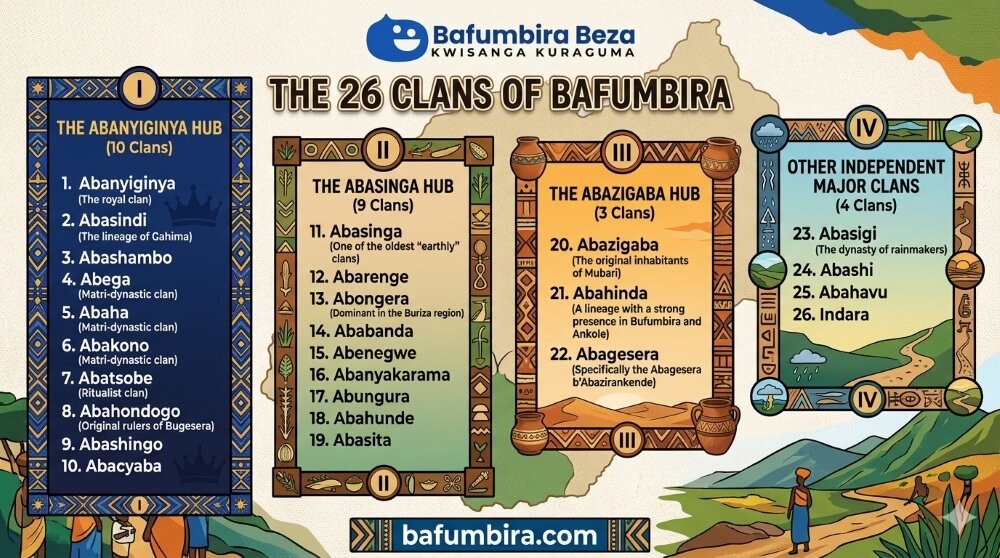
As you quietly sip on that, the real question is, how would these clans get started? Under what circumstances would a community know it is time for a new clan? Well, we have written a detailed article and video on clan formation, and we will invited you to explore that.
However, not to fully leave you on your own, in summary, Bafumbira (or Banyarwanda) Clans were formed through the deeds of a hero, the legacy of a will (umurage), the clearing of land (gukonda), or the fulfillment of a national duty. A hero could be the beginning of a new clan. A person carrying forward a will or legacy, or one leading a group that establishes a new nation, or one leading a group that performs and supervises certain national tasks would be the beginning of new clan built on their name and role. Read the article here, please.
Main Categories of Bafumbira Clans (or Banyarwanda Clans)
According to the book, THE HISTORY OF RWANDA, all clans can generally be grouped into:
1. Ibimanuka (those that descended from the heaven or sky).
These clans have their origin from the first ‘umumanuka’ or Ikimanuka called Kigwa Sabizeze, who is said to have arrived with siblings and domestic animals, leading to the birth of several clans. Clans like the Abanyiginya, Abega, Abakono, and Abaha are traditionally viewed as descendants from heaven.
In our specific video on ‘IBIMANUKA’, we decoded the words ‘descending from the heaven or sky’ to mean some other areas within the Great Lakes region (forest, plains, or mountains) and not necessarily from distant places like Asia or literal heaven and skies.
Indeed according to Uruyange, Sabizeze and the fellows might actually have been the second Ibimanuka (Ibimanuka Bya Kabiri) and not the first, which puts those the found on the land to have constituted the first Ibimanuka (Ibimanuka Bya Mbere). The same cultural group, Uruyange, defines an Ikimanuka as a person who simply performs extraordinary deeds or leads a transformative initiative. In their own words:
“An Ikimanuka was a person who arrived in a particular place and performed extraordinary deeds,acts that went beyond the normal capabilities of people of that time. Because of these remarkable achievements, such a person was given the title Ikimanuka. Even today, someone might metaphorically be called an Ikimanuka if they accomplish something heroic, revolutionary, or transformative within their community. An Ikimanuka was often a person of exceptional wisdom within a clan, someone who led a social or technological transformation,a “revolution” , that inspired people to follow them and changed the course of their society.”
2. Abasangwabutaka (those that inhabited the land).
As earlier discussed, the ‘Ibimanuka’ did not find any empty land. Other clans were already established. Clans such as the Abazigaba, Abagesera, and Abasinga are regarded as those who were already present on the land. As already established, these could be the first Ibimanuka.
A list of all Bafumbira Clans, their totems, & brief notes on each
As already established, there are about 200 clans in total. However, they all originate from a few major ones. Each clan possesses a unique history, a specific totem (Ikinyazina or umuziro or akamenyetso or symbol), and a traditional role in the community. Here, we will try to list every clan, its totem, and traditional relevance. Your clan could be one of the foundation three or one of the foundation 26 sub-clans or one of the overall 200 clans, sub-clans, and houses.
We kindly ask you to feed us with more information should we go wrong anywhere or miss your clan. Additionally, remember similar clans can have different names based on the regions and therefore different totems. As such, if your clan name is missing in the list, there are chances it just a matter of ‘branding’.
Below is a list of all the possible Bafumbira Clans or Banyarwanda Clans, enjoy it to the fullest. NB: We are still working on this list so as to get comprehensive and more accurate information on all clans. As such, count the one below as a draft or ‘rough work’ or a start-off! Thank you. And keep it Bafumbira Beza at Bafumbira.com, Kwisanga Kuraguma.
Summary Table of Main Bafumbira Clans
NB: WE ARE WORKING ON THIS LIST. DO NOT MIND ABOUT IT!
| Clan Name | Totem (Ikinyazina) | Primary Identity & Historical Role |
| 1. Abasinga | Kite (Sakabaka) | One of the Abasangwabutaka clans; it included lineages such as the Barenge, Abacyaba, and Abongera. Identified as one of the oldest clans in Rwanda. Held ritualistic privileges. They originally produced Queen Mothers, but King Ruganzu Bwimba decreed that they should no longer do so as punishment for a historical refusal to spill blood for the kingdom. The famous poet Nyirarumaga hailed from this clan. We will get back to these stories. NB: Abasinga could be the forefathers of 2. Abashi (mostly in South Kivu, DRC) and 3. Abahunde (North Kivu, DRC) and these 3 clans share the totem, Sakabaka, the ruler of the sky and king of all birds. |
| 4. Abazigaba | Leopard (Ingwe) | One of the Abasangwabutaka (found on earth); they inhabited Mubari before the arrival of Kigwa. Original settlers of the land. They held ritualistic privileges, including the right to choose locations of residence for other clans and kings, and the right to conduct rituals for enthroning new monarchs. They are ancestors of the Abaheka family of Abiru. NB: Abazigaba, Abenengwe, Abanyakarama – another trio but this time, it’s a Leopard (Ingwe) |
| 5. Abasindi | Crested Crane (Ngwali) | The “Parent” clan. Known for diplomacy, social etiquette, and acting as the root from which the royal line grew. |
| 6. Abacyaba | Hyena (Impyisi) | Associated with Nyirarucyaba, a daughter of Gihanga. King Yuhi Mazimpaka decreed that his descendants would no longer marry women from this clan due to historical conspiracies against the monarch. We briefly talked about Nyirarucyaba and her founding the ‘Abacyaba’ clan after snatching a whole generation for ‘Abazigaba’ simply because the father of her children (Umuzigaba) had not paid dowry, taking away his rights to name the children after his name. Watch here. |
| 7. Abagesera, also known as Abagesera b’Ababazirankende | Wagtail (Inyamanza) | One of the Abasangwabutaka clans. Held ancient ritualistic privileges and provided a Queen Mother for King Kigeri III Ndabarasa. Later, they were formally included among the Ibibanda clans. They come from the ancient kingdom of Gisaka. They are “Orators” and travelers. Known for eloquence, negotiation skills, and moving between chiefdoms as messengers. |
| 8. Abanyiginya | Crested Crane (Ngwali, or Umusambi) | Traced to Kigwa (Sabizeze), the first Ibimanuka said to have descended from heaven. This was the royal clan from which the dynasty originated. All successive monarchs were required to belong to this clan according to the esoteric code (Ubwiru). |
| 9. Abungura | Wild Dog or firefinch, which is which? (Ifundi) | The “Hunters” and scouts. Experts of the deep forest who provided meat, skins, and early warning for the community. |
| 10. Abasigi | Polecat / Hyena | A dynasty of rainmakers inhabiting the area called Ubusigi. Possessed religious and magical powers; they were feared because it was believed they could place curses on crop harvests. They were renowned for their role as rainmakers (Abavubyi) and were often exempted from orders given by the central Nyiginya power. Many Abasigi declare themselves to belong to the Abasindi clan, which is the lineage of Gahima, successor to Gihanga. |
| 11. Abagahe | Striped Cow | The “Pastoralists.” Primarily focused on cattle rearing and the development of the high-altitude dairy economy. |
| 12. Abakono | Igikeri (frog) | One of the Ibimanuka clans, descending from heaven through Mututsi. Another of the Ibibanda matri-dynastic clans. Destined to provide Queen Mothers. They held significant ritual status; a “Mwiru King” from this clan was established to conserve the will of succession. |
| 13. Abakyondo | Cattle | Specialized cattle-keepers. Known for their expertise in managing large herds in the specific climate of the Virungas. |
| 14. Abagara | Lion (Intare) | The “Guardians.” Often served as the frontline defenders of the king or the local chiefs in times of conflict. |
| 15. Abatundu | Small Bird (Inyoni) | The “Foothill Settlers.” Historically associated with the lower valleys and the preservation of medicinal mountain flora. |
| 16. Ababanda | Igikona (Crow) | A group of resisters later incorporated into specialized military training |
| 17. Abashambo | Intare (Lion) | Ancestors included wives of Gihanga. Traditionally, the King of Imandwa (chief of the initiated in the Ryangombe cult) was chosen from this clan. They former kings and princes of Ndorwa Kingdom (northeastern Rwanda and South Uganda) |
| 18. Abatsobe | Umusambi (Crested crane) | Traces its beginnings to Gihanga, the mythic founder of the kingdom. High-level ritualists and artisans. They were great trustees of the esoteric code (Abiru) and helped kings organize the national harvest ceremony (umuganura) by supplying commodities like millet and sorghum |
| 19. Abaha | Igikeri (Frog) | Traced to the Ibimanuka and the ancestor Mututsi. Part of the Ibibanda matri-dynastic group. Responsible for providing Queen Mothers for the monarchy. Members also served as great trustees of the esoteric code. |
| 20. Abashingo | Imbwebwe (Fox, Igisamagwe) | |
| 21. Abanyakarama | Leopard (Ingwe) | |
| 22. Abasita | Imbwebwe (Fox) | |
| 23. Abongera | Isha (Gazelle) | One of the oldest clans; part of the Abasinga and dominant in the Bwanacyambwe region. |
| 24. Abenengwe | Ingwe (Leopard) | A clan confederation in southwestern Rwanda annexed during the consolidation of the monarchy. |
| 25. Abahinda | Ingwe (Leopard) or Squirrel (Inkima)? Which is which? | Originally from Karagwe kingdom (modern Tanzania) |
| 26. Abahondogo, also called Abagesera Bab’Abahondogo | Ishwima (Beetle) | The clan that ruled the powerful neighboring kingdom of Bugesera. |
| 27. Abega | Frog (Igikeri) | One of the Ibimanuka clans; traces its ancestry to Mututsi, the brother of Kigwa. dentified as one of the Ibibanda (matri-dynastic clans). Their primary role was providing Queen Mothers for the Nyiginya kings. They also traditionally organized the harvest feast (umuganura), a central royal ceremony. NB: Abega, Abaha, Abakono – Frog (Igikeri) trifecta! These 3 clans provided royal wives and future queen mothers. They all claim the same ancestry! |
| 28. Abasigari & 29. Indara | These do not have totems because they’re descendants of Bunyoro Kingdom (modern Uganda) who found themselves trapped in Rwanda after their defeat during the second Bunyoro invasion led by King Cwa in the 15th Century AD. | |
| 30. | ||
| 28. | ||
| 29. | ||
| 30. | ||
| 31. | ||
| 32. | ||
| 33. |
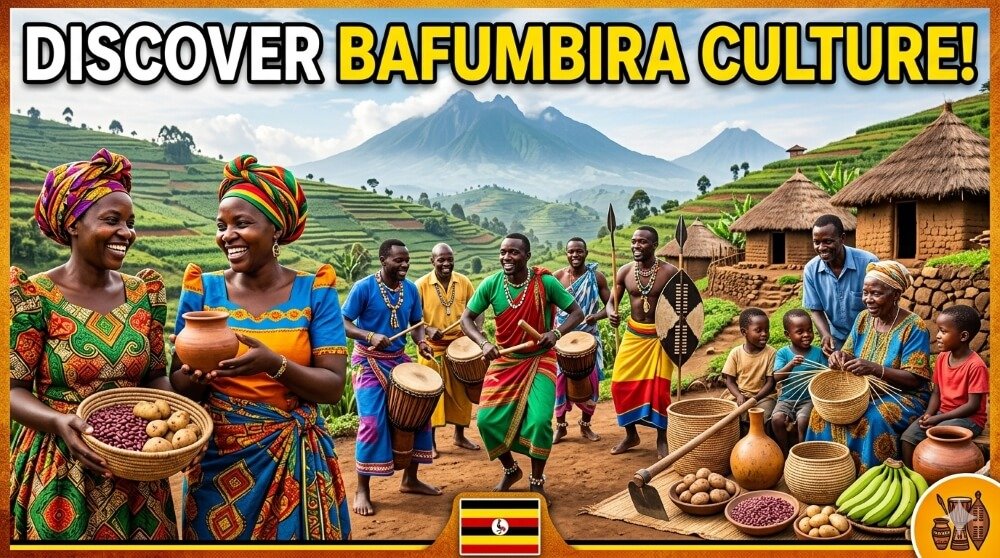
I am Munyarwanda from the Eastern province (Gahini) , now living in Canada. I have never heard about this and I am very much interested. I am Umugesera (clan). Now, after reading the above, I am astonished that Bafumbira and banyarwanda are the same, looking at those commonalities Am I wrong to say so?
Yes, we are the same, with similar origin, history, and even culture. In general, we are surely one!
[…] The genealogical origins of the Abungura clan trace back to Rurenge, a foundational patriarch categorized among the First Ibimanuka (“those who fell from heaven”), an era representing the earliest formation of organized human societies. We explored the concept of first and second ibimanuka in one of our articles here. […]