

Who are or were Abiru in Bafumbira or Banyarwanda Culture?

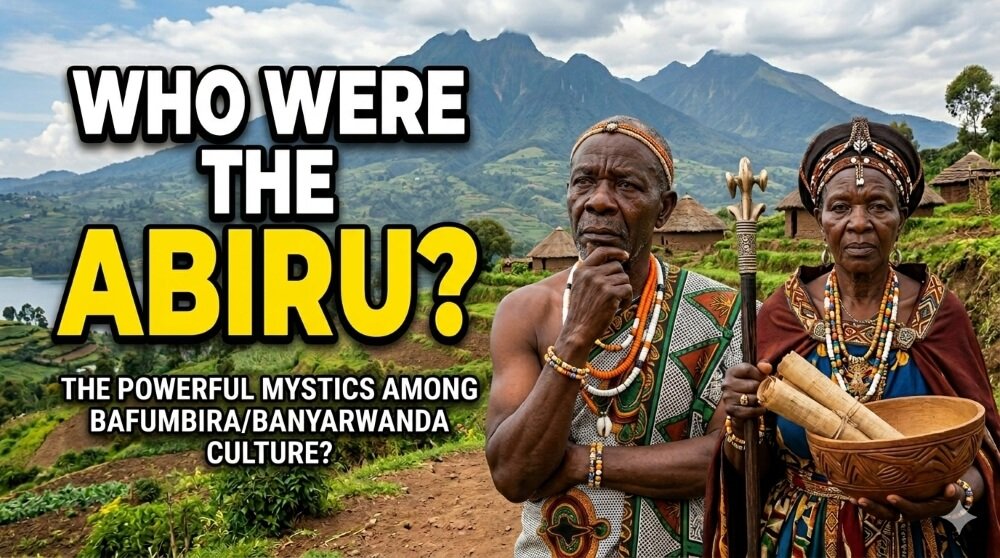
Abiru, have you ever heard of the word? Well, in the oral cultural tradition, we hear of a guy called Rutsobe who was offered a whole kingdom (Gisaka) by his father, Gihanga I Ngomijana, refused the offer and instead chose to serve as Umwiru, committing the whole of his clan, Abatsobe, to serving kings and queens as Abiru. This brings us to this question: Who are Abiru and why was it a big deal?
Before we proceed to answer the question, it is important to note that, while the Abatsobe were the ultimate leaders in the Ubwiru system, other clans were as well very foundational. These included Abasinga, Abanyiginya (Abasindi Clan from the house of Abatege, Abazigaba, and Abagesera.
Of course, concerning the history of Bafumbira, everything takes us to Rwanda first before it brings us back to Bufumbira and Bafumbira. Wait! There is even a time when Bufumbira existed alone (under Barenge Dynasty or Abasinga rule) before Rwanda could become the big it got to be! This is a story for another day!
Abiru: The Meaning & Role
The Abiru were the elite royal ritualists, oral historians, and privy council of the pre-colonial Rwandan monarchy. They served as the supreme custodians of the ubwiru (also known as court secrets) (an esoteric code of sacred secrets, taboos, and traditions) and were responsible for dynastic continuity and the king’s succession (Rwanda Basic Education Bureau).
As such, Abiru were:
- The “Keepers of Secrets”: The word umwiru (singular) roughly translates to “the one who knows the secret”. They memorized and performed complex, highly guarded rituals related to war, rainmaking, agriculture, and the royal lineage.
- Political Advisers: They acted as a moral guardian and check on the king’s power, determining his ongoing ritual and political suitability. Historically, they held the power to depose “unworthy” kings and proclaim successors based on secret protocols.
- Hereditary Lineage: The status of an umwiru was hereditary, passed down within specific, noble families. They primarily belonged to specific clans (such as the Abatsobe) historically tied to the royal court.
I have read so many articles about ABIRU and I think this writer, Umumararungu Alliance Dominique, does best when it comes to a brief and yet comprehensive tale of who the ABIRU were. Read the whole article here. However, if you wanna get deeper, this article is even better.
Role or Relevance of Abiru in Bafumbira Culture
- Shared Royal Lineage: The Bafumbira people, primarily located in the Kisoro District of southwestern Uganda, historically share the exact same cultural, social, and political lineage as the Banyarwanda. The region of Bufumbira was actually governed as an integral part of the Kingdom of Rwanda until the colonial borders were adjusted in 1910. We have explored these details in our other articles.
- Sacred Traditions: The Abiru were integral to the Bafumbira’s ancestral heritage, as they were the ones who organized and coordinated major national ceremonies like Umuganura (the national harvest and thanksgiving festival). What is Umuganura?
- Cultural Custodians: Because the Bafumbira share Kinyarwanda roots (speaking Rufumbira), their foundational myths, knowledge of ancestral lineages, and ritual protocols were preserved by the same Abiru who advised the traditional kings from the broader region.


[…] Abungurateke (Abateke / Abatege): Settling primarily in the northern highlands, including Byumba, Buberuka, Butaro, and Ndorwa, this branch derived its name and identity from the symbol of amateke (cocoyams/yams). Historically, lineages from this group contributed to specialized royal court rituals (Ubwiru). Again, we have written about Abiru here. […]